
Redesigning Governance: How Bagamati Province is Building a Citizen-First Digital Future
Category: GovTech / Public Policy / Digital Transformation
Reading Time: 7 mins
Beyond IT Procurement: The Paradigm Shift
For decades, public sector "digitization" in developing economies followed a predictable and disappointing pattern: governments bought expensive software, scanned paper forms into PDF files, and hosted them on bloated web portals. In essence, they digitized administrative chaos without fixing the underlying inefficiency.
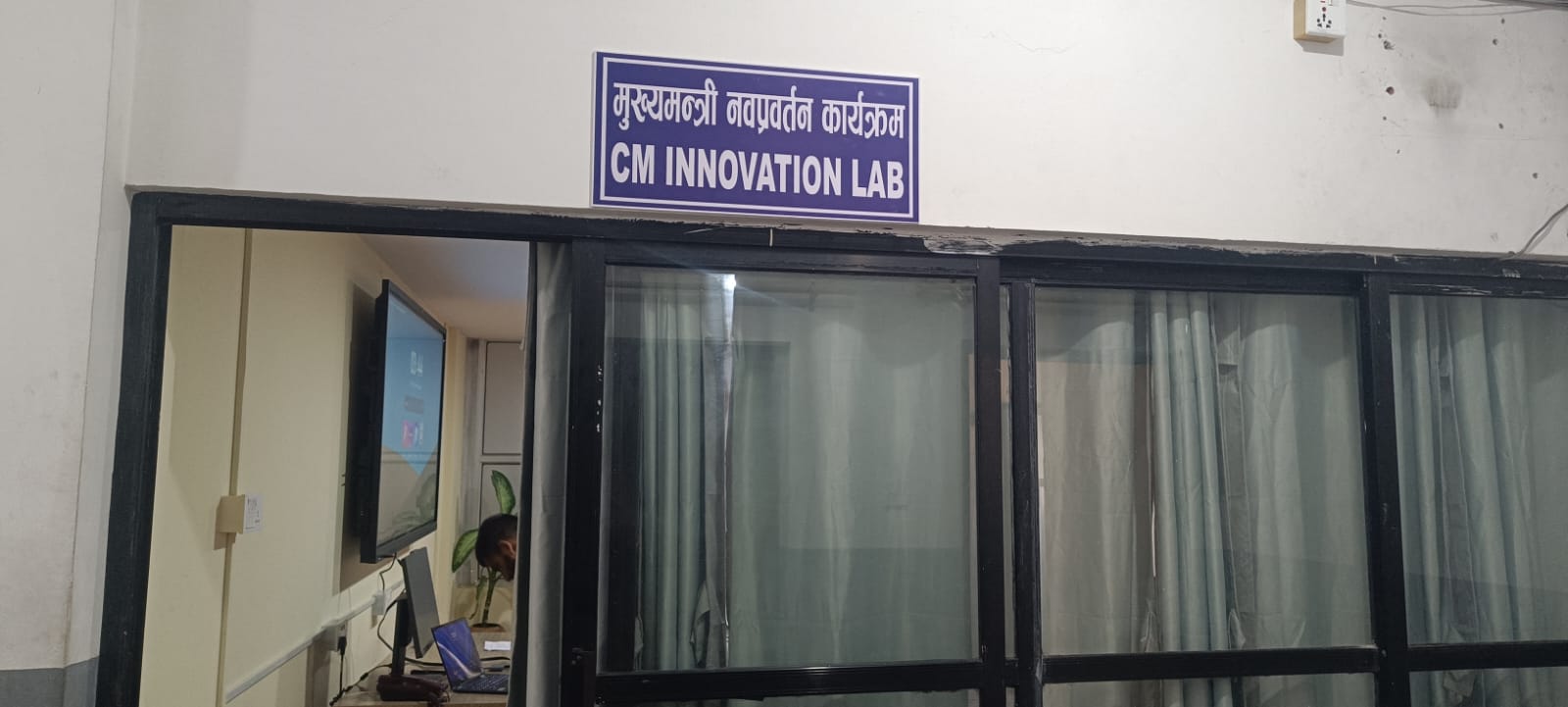
In Bagamati Province, Nepal-home to 13 districts and 119 local levels-the Governance Reform Section, supported by the Provincial and Local Governance Support Programme (PLGSP), is taking a fundamentally different path. Understanding Digital Transformation (DX) not an IT procurement exercise but a deep-seated governance reform, the section is initiating its DX plan, establishing a scalable, sovereign, and human-centered blueprint for public administration modernization.
|
GOVERNANCE REFORM (DX) |
||
|
PROCESS & PEOPLE |
DATA & INFRASTRUCTURE |
GOVTECH & AI |
|
|
|
|
|
|
|
|
|
1. Process Re-Engineering Before Code
One of the biggest pitfalls in GovTech is building digital pipelines on top of obsolete procedures. Following best-practice methodologies from the OECD and World Bank, Bagamati Province enforces a strict rule: re-engineer first, digitize second.
Before a digital system development, either existing administrative workflow are examined for identifying redundant approval layers to be eliminated & to be simplified, and time-bound SLAs (Service Level Agreements) are built into the workflow or overhauling with entire business process re-engineering. The goal is to turn multi-week paper trails into seamless, faceless, and paperless citizen interactions.
2. "Develop Once in Hetauda, Deploy Across 119 Local Levels- And Beyond"
Fragmented technology leads to wasted taxpayer money and isolated data silos. Bagamati Province is executing a unified platform philosophy: build robust systems centrally in Hetauda, then make them available across all 119 local municipalities and share them with interested sister provinces.
Instead of every municipality hiring external software vendors to build duplicate tools, the Bagamati Provincial Government develops standardized, open-source, and secure digital platforms. Municipalities and partner provinces receive ready-to-use platforms, and their feedback continuously refines the central system for everyone.
3. In-House Capability Over Vendor Lock-In (Community-Driven Ownership)
True institutional transformation requires owning your technology stack. Perpetual reliance on external commercial vendors creates vendor lock-in, recurring operational costs, and loss of technical memory.
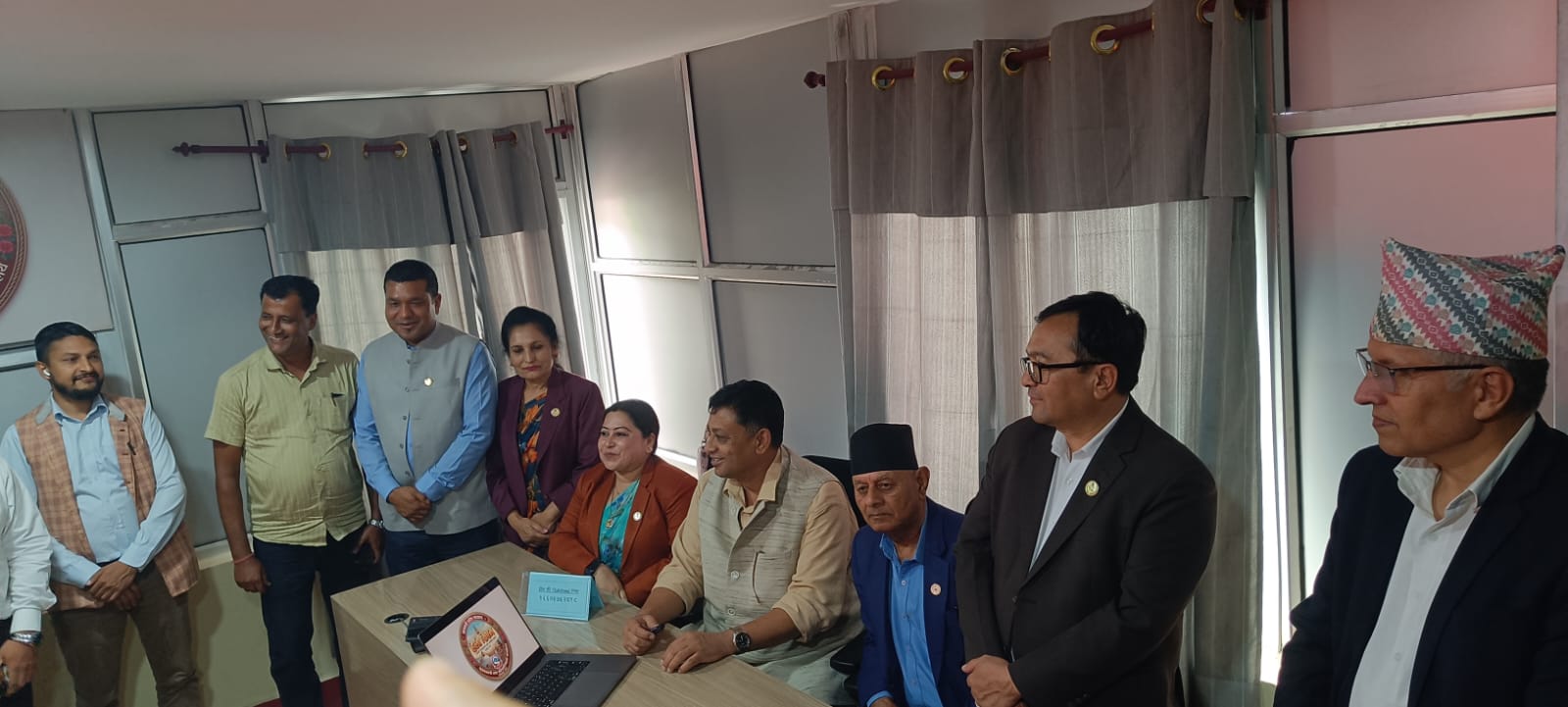
At the start of this fiscal year (2083/84), Bagamati Province established a GovTech Innovation Lab, colloquially known as the CM Innovation Lab. The core objective of this initiative is to build internal development capacity and create a domestic GovTech Innovation Ecosystem. By collaborating with universities (such as Kathmandu University and Madan Bhandari University), local tech communities, and research hubs, the province ensures that digital systems are maintained, improved, and owned directly by public institutions and communities.
4. "Small Models, Big Impact": Pragmatic AI for Local Governance
While global tech giants race to build trillion-parameter frontier AI models, small and provincial governments need localized, high-value, and cost-effective solutions. We call this strategy "Small Models, Big Impact."
Using lightweight Small Language Models (SLMs) paired with Retrieval-Augmented Generation (RAG), Bagamati Province is planning to build AI assistants connected directly to local laws and regulations:
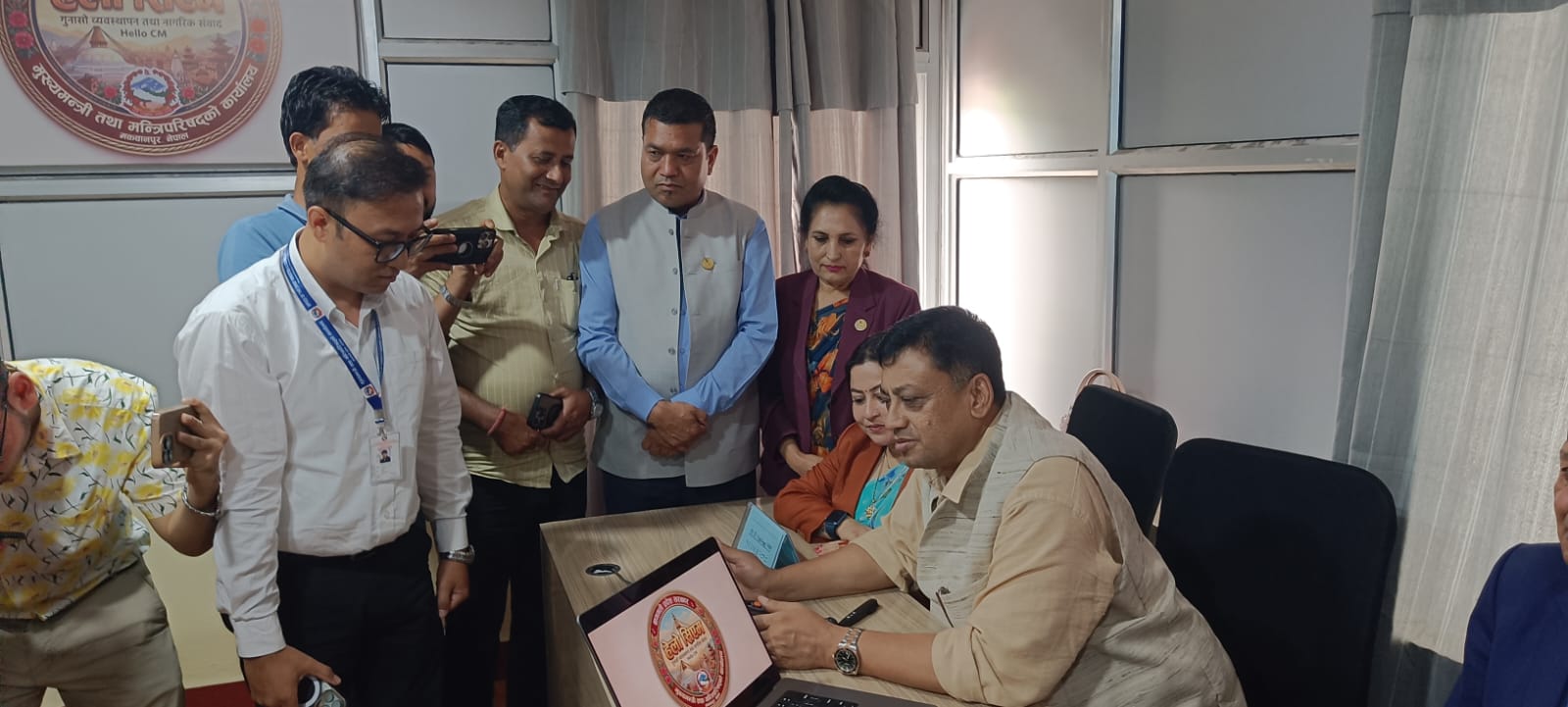
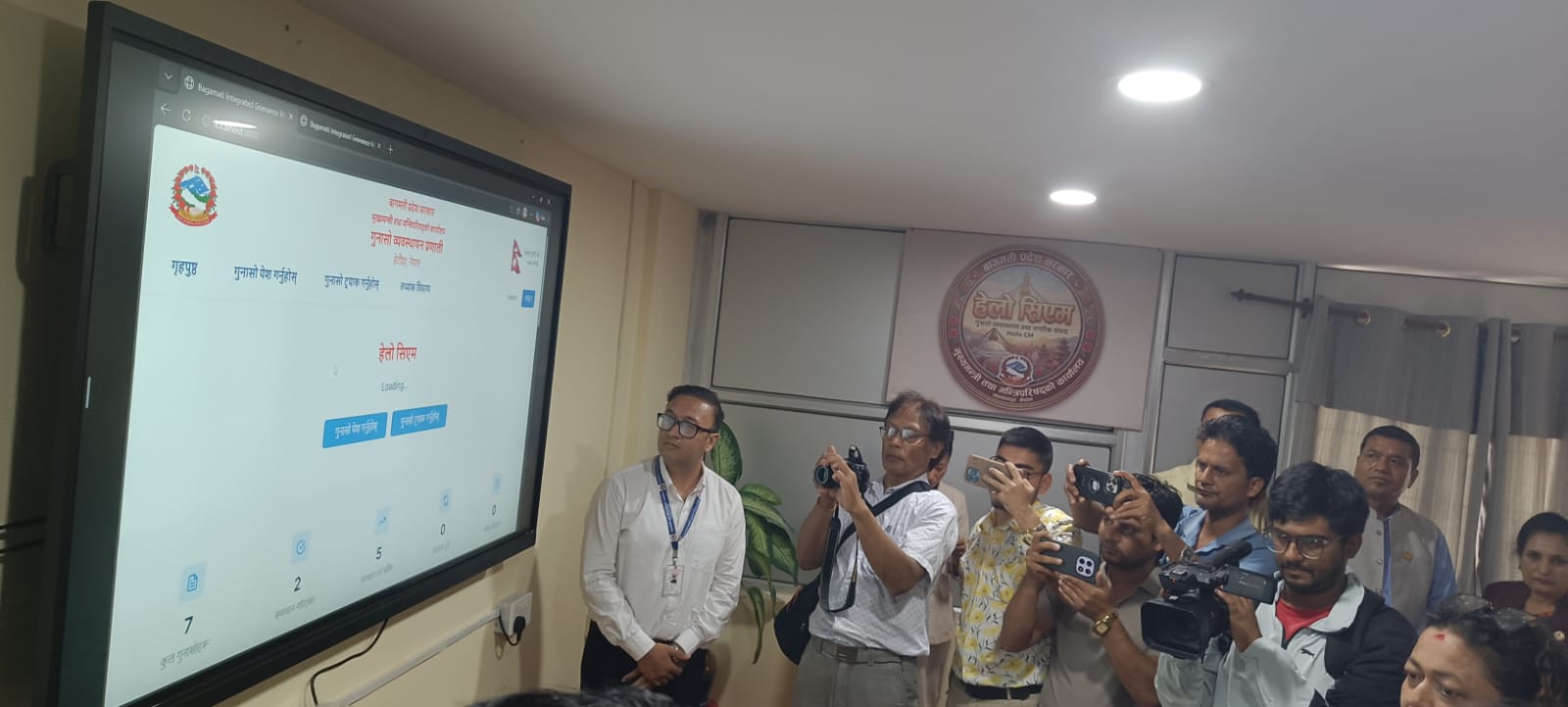
- 'Hello CM' Grievance Unit: AI automatically transcribes local voice calls, categorizes public complaints, and routes them to the correct ministry with cited legal clauses-all while keeping a civil servant in the loop to make the final decision (Human-in-the-Loop).
- Policy & Legal Search Assistants: Civil servants can query decades of provincial gazettes and executive orders in seconds.
- Proactive Citizen Services: Voice-enabled chatbots in native dialects allow rural citizens to understand government procedures without waiting in long physical queues.
5. Data Sovereignty and Democratic Guardrails
Data is a sovereign public asset. Citizen data collected across Bagamati Province stays strictly within national borders, hosted on localized infrastructure such as the Government Integrated Data Center (GIDC) and the Disaster Recovery Center (DRC) in Hetauda.
Emphasizing the core of these safeguards, Mr. Ashim Ghishing Lama, Provincial Programme Manager for PLGSP, notes, "AI assists, but humans decide. Algorithmic recommendations must always be authorized by an accountable civil servant."
To support this vision, Bagamati Province draws inspiration from South Korea's balanced AI frameworks and European risk-awareness standards. This approach encourages innovation while establishing clear ethical boundaries, ensuring that all pipeline projects actively help improve good governance, transparency, and social equity.
The Road Ahead
Digital transformation is 80% people and culture, and 20% technology. The success of Bagamati's DX vision ultimately rests on empowering civil servants with AI literacy, digital leadership skills, and evidence-based decision-making tools.
By combining process re-engineering, localized AI, data sovereignty, and intergovernmental collaboration, Bagamati Province is proving that small governments do not need hyper-scale data centers to deliver modern, transparent, and world-class public services.
To learn more about Bagamati Province's DX initiatives or explore collaboration opportunities, contact the Office of the Chief Minister and Council of Ministers, Hetauda, Nepal.
