Bagamati Province Advances Local Governance Through LGPAS Rollout
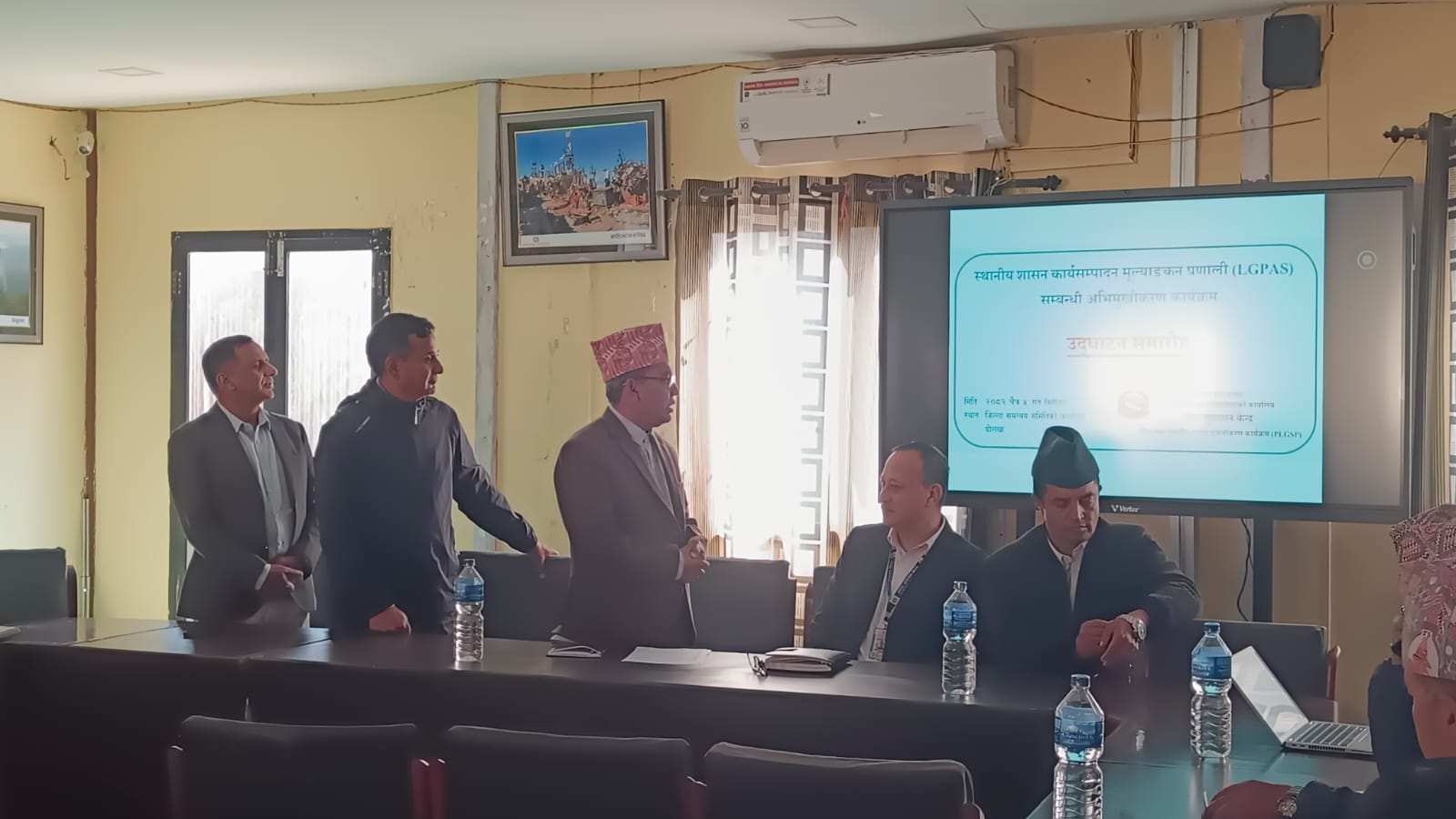
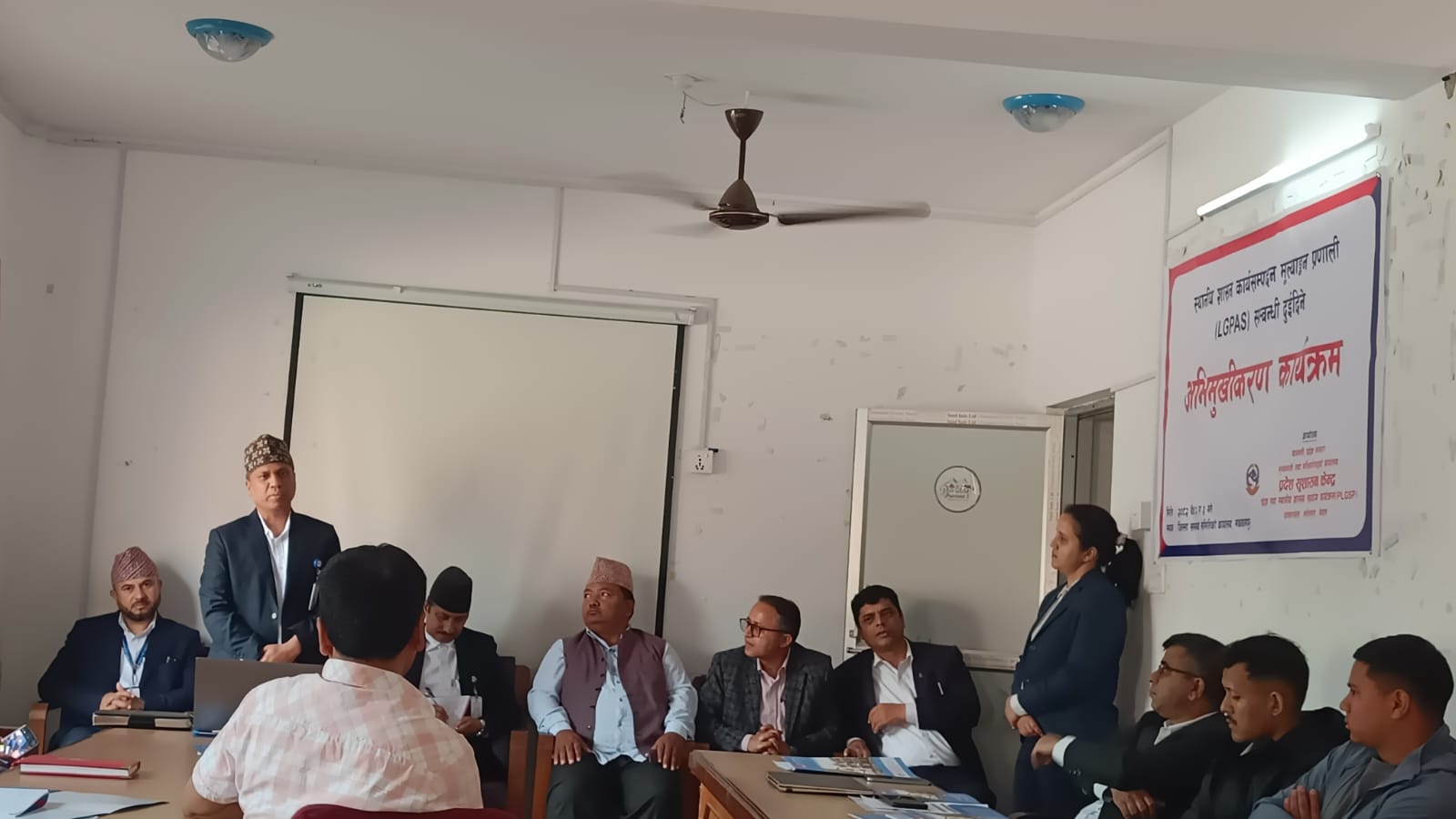
The Provincial Centre for Good Governance (PCGG) in close coordination with the Office of the Chief Minister and Council of Ministers (OCMCM), and District Coordination Committee (DCC) in concern district and with the support of the Provincial and Local Governance Strengthening Programme (PLGSP), has successfully concluded a series of Local Governance Performance Assessment System (LGPAS) orientation programs to enhance the institutional capacity and performance of local governments across the province.
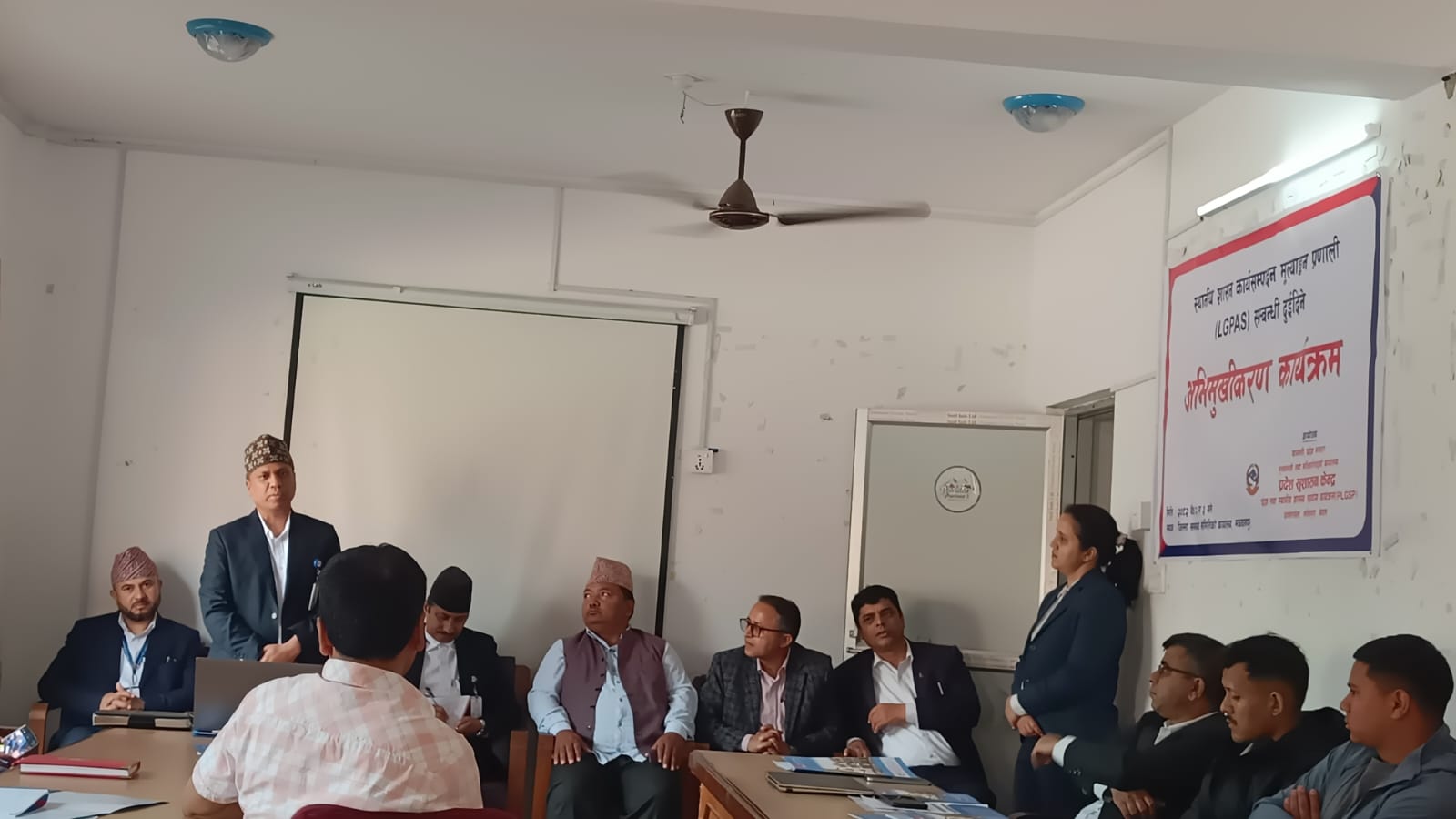
Orientation Programs at Glance
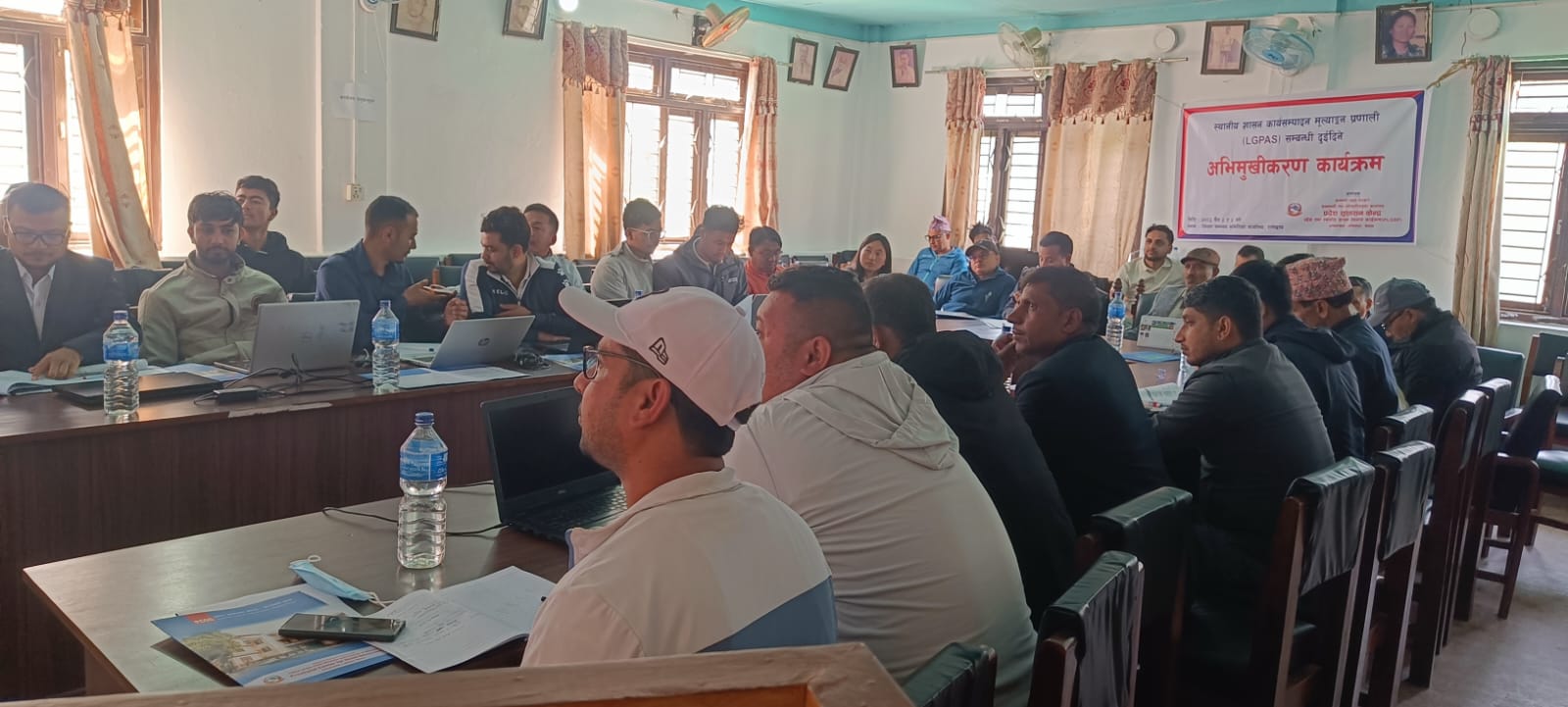
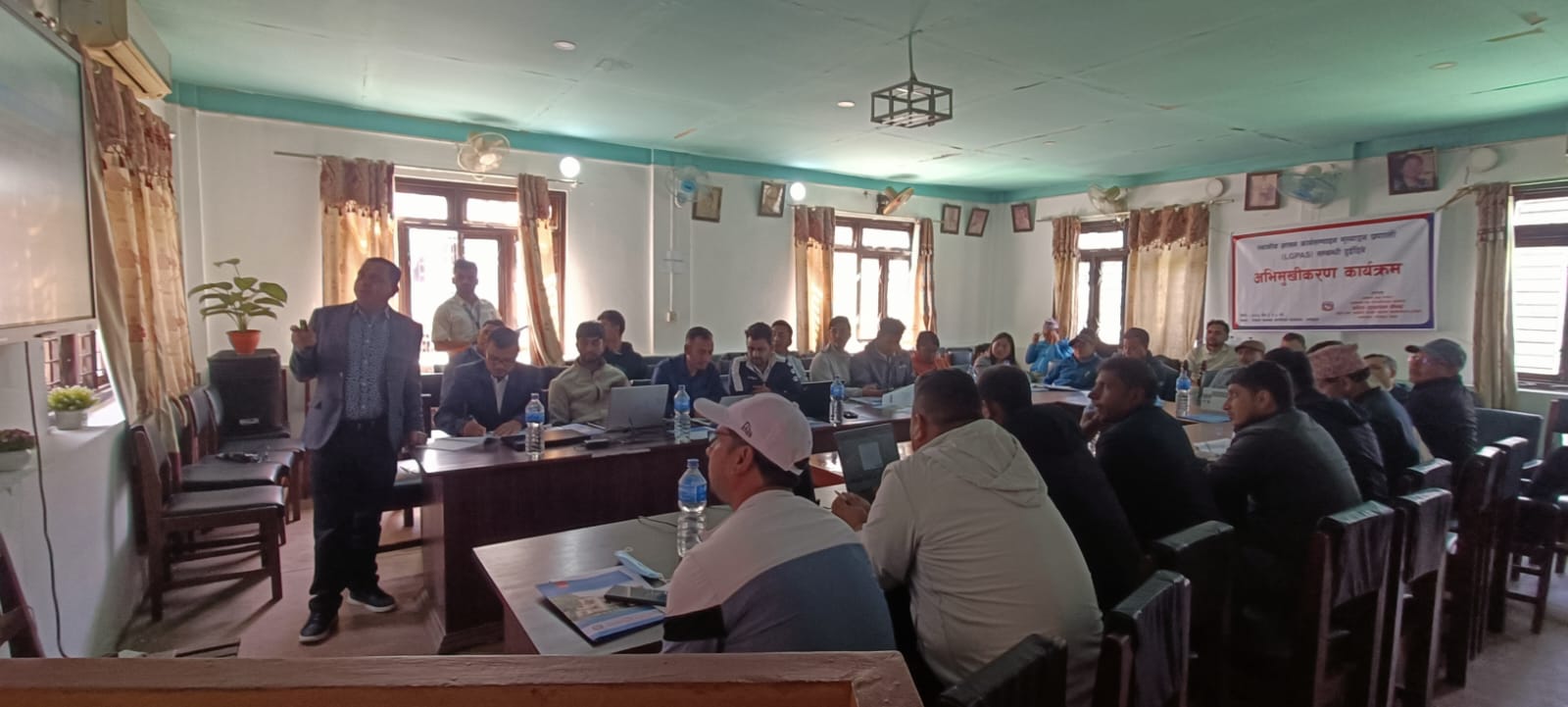
The orientations conducted in multiple batches between 1st and 11th of the second week of Chitra, 2082 (BS), with each session lasting two days. In total, 10 orientation sessions were organized, engaging more than 324 participants from local governments. Participants included Chief Administrative Officers, Planning Officers, and Information Technology Officers, ensuring a balanced mix of administrative, technical, and planning expertise Program participation details are:
|
District |
Implementation date |
Female |
Male |
Total |
|
Chitwan and Rasuwa |
082-12-01 to 02 |
2 |
34 |
36 |
|
Makawanpur |
082-12-02 to 03 |
5 |
31 |
36 |
|
Kavre |
082-12-02 to 03 |
1 |
24 |
25 |
|
Ramechap |
082-12-02 to 03 |
1 |
27 |
28 |
|
Dolakha |
082-12-04 to 05 |
3 |
33 |
36 |
|
Nuwakot |
082-12-05 to 06 |
4 |
22 |
26 |
|
Dhading |
082-12-05 to 06 |
3 |
35 |
38 |
|
Sindhuli |
082-12-06 to 07 |
7 |
34 |
41 |
|
Sindhupalchowk |
082-12-08 to 09 |
4 |
23 |
27 |
|
Kathmandu, Lalitpur and Bhaktapur |
082-12-10 to 11 |
6 |
25 |
31 |
|
Total |
|
36 |
288 |
324 |
The cluster-based approach proved effective in promoting peer learning and cross-municipalities collaboration, bringing together 324 participants (36 female and 288 male) from across Bagmati Province. By grouping districts, the program created a practical platform for sharing experiences, challenges, and good practices, which enhanced mutual understanding and consistency in implementation. This approach also strengthened professional networks and coordination among local government officials, ultimately contributing to improved capacity for effective service delivery and governance.
Inclusive Participation and Disaggregated Representation
The orientation programs demonstrated strong participation from both male and female officials, with broad representation across different social groups, including Dalit, Janajati, Madhesi, Brahmin/Chhetri, and other communities, as well as participation by persons with disabilities in selected sessions. This inclusive engagement reflects Bagamati Province’s commitment to embedding social inclusion and equity within governance and performance assessment processes.
Across all sessions, the majority of participants were local government staff, underscoring the operational focus of LGPAS on strengthening everyday administrative, planning, and service‑delivery practices at the local level.
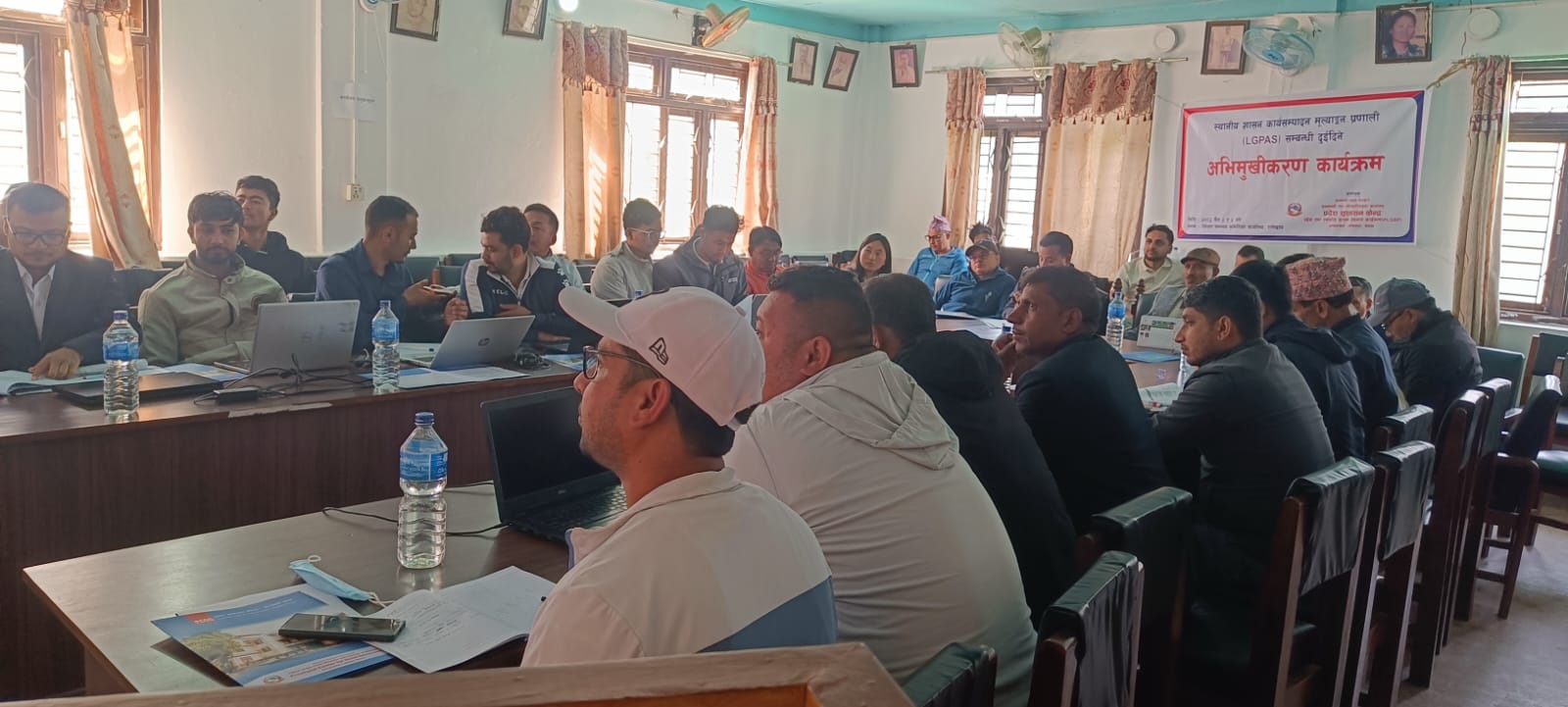
Strengthening Understanding of LGPAS
The sessions significantly enhanced participants’ understanding of:
- The objectives and structure of LGPAS
- Key performance indicators and scoring mechanisms
- Practical skills related to online data entry, verification, and documentation of evidence
- Using assessment results to identify gaps and improve institutional performance
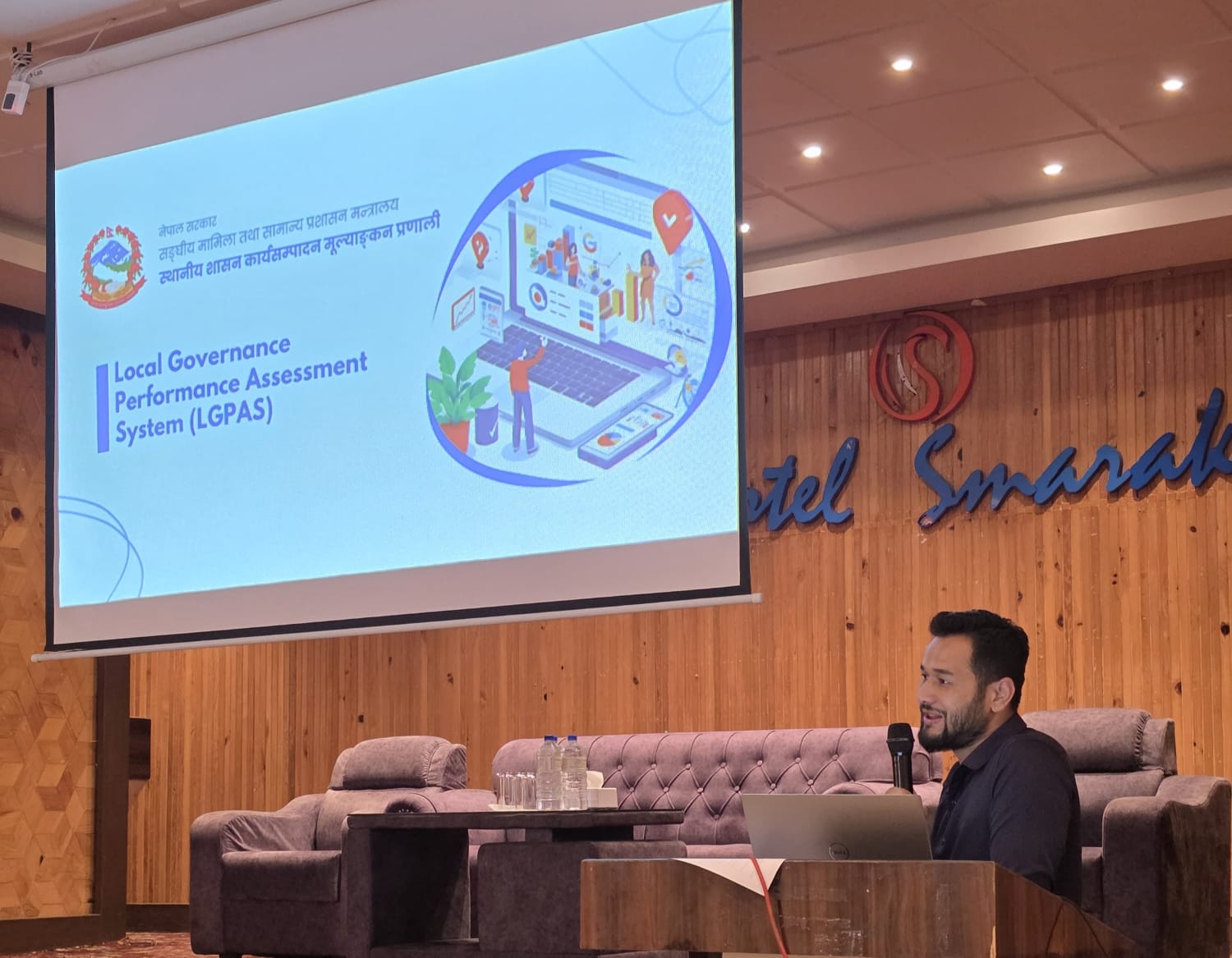
Introduced by the Ministry of Federal Affairs and General Administration (MoFAGA), LGPAS integrates previously separate tools Local Government Institutional Self‑Assessment (LISA), Fiduciary Risk Assessment (FRA), and Local Economic Development (LED) into a single, comprehensive framework. The system enables an objective assessment of local governments’ capacity in planning and budgeting, financial management, service delivery, good governance, social inclusion, and results‑based performance.
Key Insights and Implementation Challenges
Participants expressed strong confidence in LGPAS as a more scientific, transparent, and objective assessment tool, capable of promoting accountability and performance‑driven governance. However, discussions during the orientations also highlighted practical challenges, including:
- Difficulty interpreting complex indicators, particularly in areas such as forest management, environment, and disaster risk management
- Uncertainty regarding the specific documents required as evidence
- Technical challenges during hands‑on sessions, especially for non‑IT staff, at times worsened by limited internet connectivity at training venues
Way Forward and Participant Recommendations
To ensure smooth and effective implementation of LGPAS, participants and facilitators recommended:
- Developing simplified technical manuals tailored to different user groups
- Providing standardized document and reporting templates from the ministry
- Establishing a dedicated LGPAS helpdesk for continuous technical support
- Strengthening internal coordination within local governments for systematic evidence generation
- Enhancing collaboration with District Coordination Committees (DCCs) and provincial institutions to ensure consistency and credibility of assessments
Participants also emphasized that linking local government performance under LGPAS with provincial and federal grant allocations would incentivize regular self‑assessment and continuous improvement.
Building the Foundations for Stronger Federalism
Overall, the LGPAS orientation initiative represents a significant step toward strengthening accountability, promoting inclusive governance, and fostering a performance culture among local governments in Bagamati Province. By bringing all local governments onto a common assessment and reporting platform, LGPAS not only supports performance comparison and learning but also reinforces the institutional foundations of Nepal’s federal system.