
From Compliance to Transformation: Bagamati Province Set as an Example for Mainstreaming GESI Approach
GESI as a Core Governance Priority
Across Nepal’s federal system, moving Gender Equality and Social Inclusion (GESI) from policy commitment to lived governance practice remains a work in progress. Bagamati Province offers a useful illustration of how this transition can take shape when provincial systems are deliberately strengthened to embed inclusion, equity, and women’s empowerment at their core. Supported through the Provincial and Local Governance Strengthening Programme (PLGSP), Bagamati’s experience demonstrates how GESI can evolve from a compliance-driven requirement into a transformative governance practice.
Rather than treating GESI as a standalone obligation, provincial ministries and institutions have begun mainstreaming and integrating it into their policies, plans, budgets, programmes, and service delivery processes and provisions. While many reforms are still consolidating, the direction of change reflects PLGSP’s broader objective: enabling provinces to build accountable, inclusive, and citizen-responsive governance systems.
Systemic Change through Policy Reforms
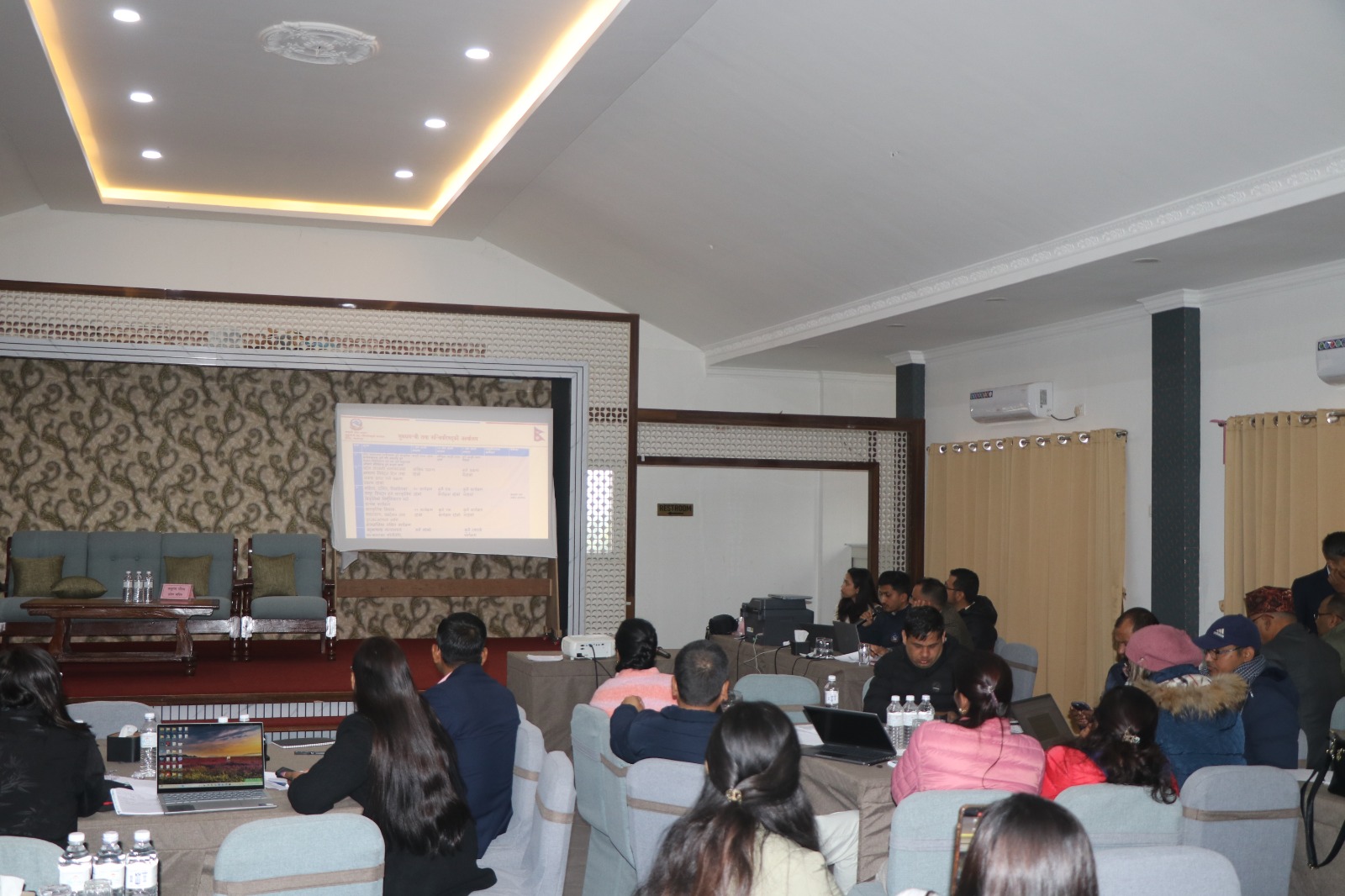
A central element of this transformation has been the revision and application of the GESI Audit Standard, 2024. In Bagamati Province, the standard provides as a measurable framework for assessing how well GESI principles are embedded across provincial mandates, in line with the Work Division Regulation, 2080 of Bagamati Province Government. As such the GESI Policy, 2025 is a key instrument that envisions long-term behavioral transformation to build respectful, just, and safe societies, while advancing gender mainstreaming and empowerment across public, private, non-profit, community, and other relevant institutions in the province.
Equally important is how the standard is being implemented. Ministries have been engaged from the outset in reviewing and refining indicators, fostering shared understanding and institutional ownership. The introduction of ministry-specific indicators across all 14 provincial ministries in the GESI Audit Standard amended in 2082 (2025), currently being under revision, represents a significant shift from generic checklists toward sector-relevant gender responsiveness and ownership of their inclusive actions and results.
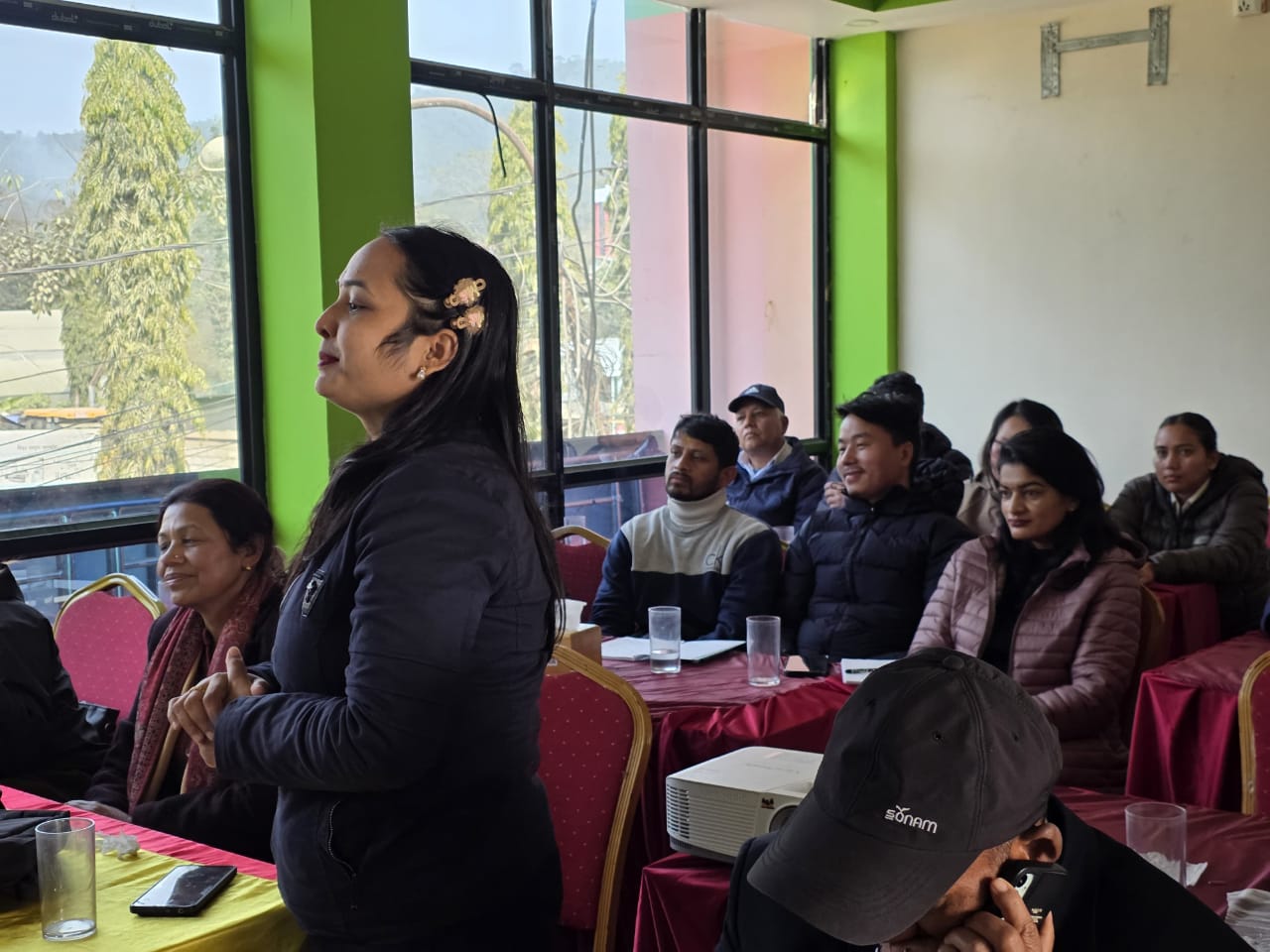
The potential impact of this reform lies in its ability to make gaps visible and actionable. As ministries systematically assess issues such as women’s empowerment, safe work environments, and social inclusion, they are better positioned to align plans and budgets with real priorities. Over time, this creates pathways for more targeted investments in areas such as prevention of gender-based violence, maternal and child health, girls’ education, senior citizens’ care, and women’s economic empowerment as a core policy priority of province government.
Leadership and Accountability for Gender Outcomes
Transformative GESI reform requires visible leadership and clear accountability. In Bagamati Province, this has taken shape through the establishment of a high-level GESI Steering Committee, chaired by the Principal Secretary of Office of Chief Ministers and Council of Ministers, alongside an Implementation Committee led by the Secretary of the Ministry of Social Development (MoSD) immediately after the approval of standard during 2024.
These mechanisms have strengthened inter-ministerial coordination and reinforced the idea that GESI outcomes are a shared responsibility across government. While the long-term effects will unfold gradually, the institutional arrangements now in place signal an important shift: gender equality and inclusion are increasingly discussed and monitored at senior decision-making levels, rather than being delegated solely to technical units.
GESI Focal Persons as Change Agents
Another defining feature of Bagamati Province’s experience has been the repositioning of GESI focal persons as active contributors to institutional change. As MoSD has developed ToR during 2024, and continuously clarifying their roles and responsibilities has enabled focal persons to engage more substantively in planning, budgeting, and decision-making processes alongside division chiefs and technical staff.
This shift matters because it influences how sectoral programmes are designed and resourced. When focal persons are empowered to advocate for inclusive approaches, ministries are better equipped to respond to the differentiated needs of women, marginalized groups, and vulnerable populations. Over time, this strengthens the likelihood that GESI considerations are reflected not only in plans and implementation, but also in end results and benefit sharing.
Capacity Development Focused on Practical Application
Capacity strengthening has been a critical driver of change in Bagamati Province. More than 40 provincial officials (GESI focal person and planning chiefs) have got opportunities in a mix of in-person training, residential workshops, and online learning on GESI and Gender Responsive Budgeting (GRB) related concepts, approach and good practices. In addition, provincial ministries and agencies—including the Provincial Centre for Good Governance (PCGG)—have emphasized various trainings on gender, governance, and leadership development in their annual plans and practices, benefiting disadvantaged women elected representatives, marginalized communities, youth, and provincial and local government staff.
Beyond numbers, the emphasis has been on practical application—linking concepts such as women’s empowerment, inclusive service delivery, and gender-responsive infrastructure to officials’ day-to-day responsibilities. The fact that these efforts have been jointly financed by PLGSP and the provincial government signals growing ownership and sustainability.
While capacity development outcomes are not always immediately visible, early signs point to improved gender analysis in planning and reporting, more informed budget discussions, and greater attention to equity in programme design. These shifts represent important preconditions for longer-term impact.
Sustaining Change through Continuous Learning
Recognizing that transformation does not end with formal training, Bagamati Province has established a Digital Community of Practice (CoP) for GESI practitioners under the leadership of MoSD in 2025. The free and simple WhatsApp platform supports peer learning, experience sharing, and follow-up across ministries with real-time flow of information and enhanced mutual trust among learners and participants.
The value of this approach lies in institutionalizing learning within government systems. By enabling officials to share tools, guidance, and emerging practices, the CoP reinforces adaptive governance and helps sustain momentum beyond individual capacity-building events.
Bagamati Province as an Illustrative Case
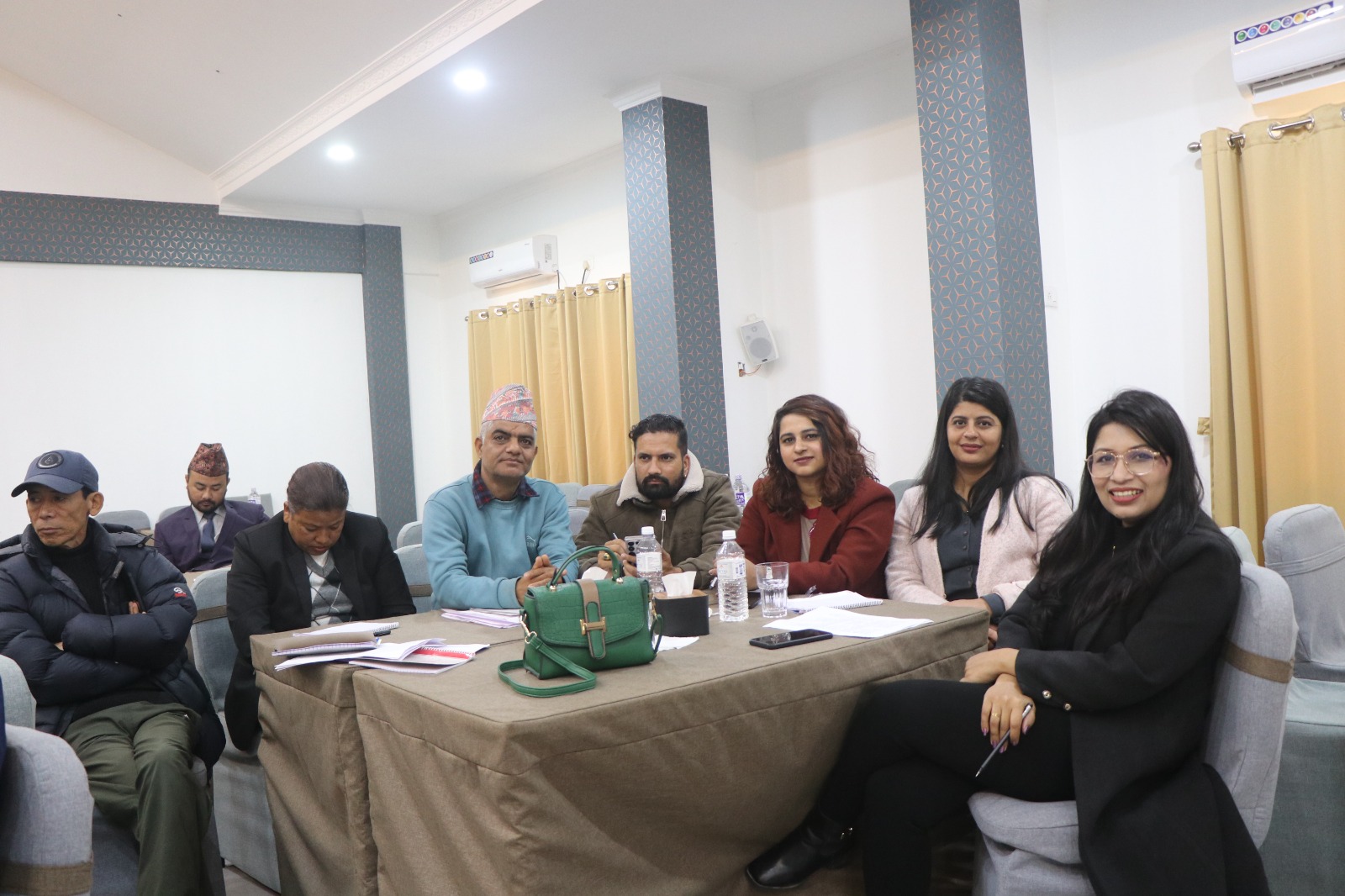
Bagamati Province’s experience provides a practical example of how PLGSP is supporting provinces to operationalize transformative GESI within a federal context. While the reforms are still maturing, the institutional, procedural, and behavioral shifts underway point toward meaningful potential impact: better-aligned policies and budgets, safer and more inclusive work environments, diversity and services that are increasingly responsive to diverse citizen needs.
As provinces continue to define and refine their governance systems, Bagamati’s case illustrates how sustained technical assistance, leadership commitment, and learning-oriented approaches can reposition GESI from a procedural requirement to a core function of good governance and democracy. If maintained and deepened, such reforms hold promises for translating constitutional commitments on equality and inclusion into tangible outcomes for citizens.
