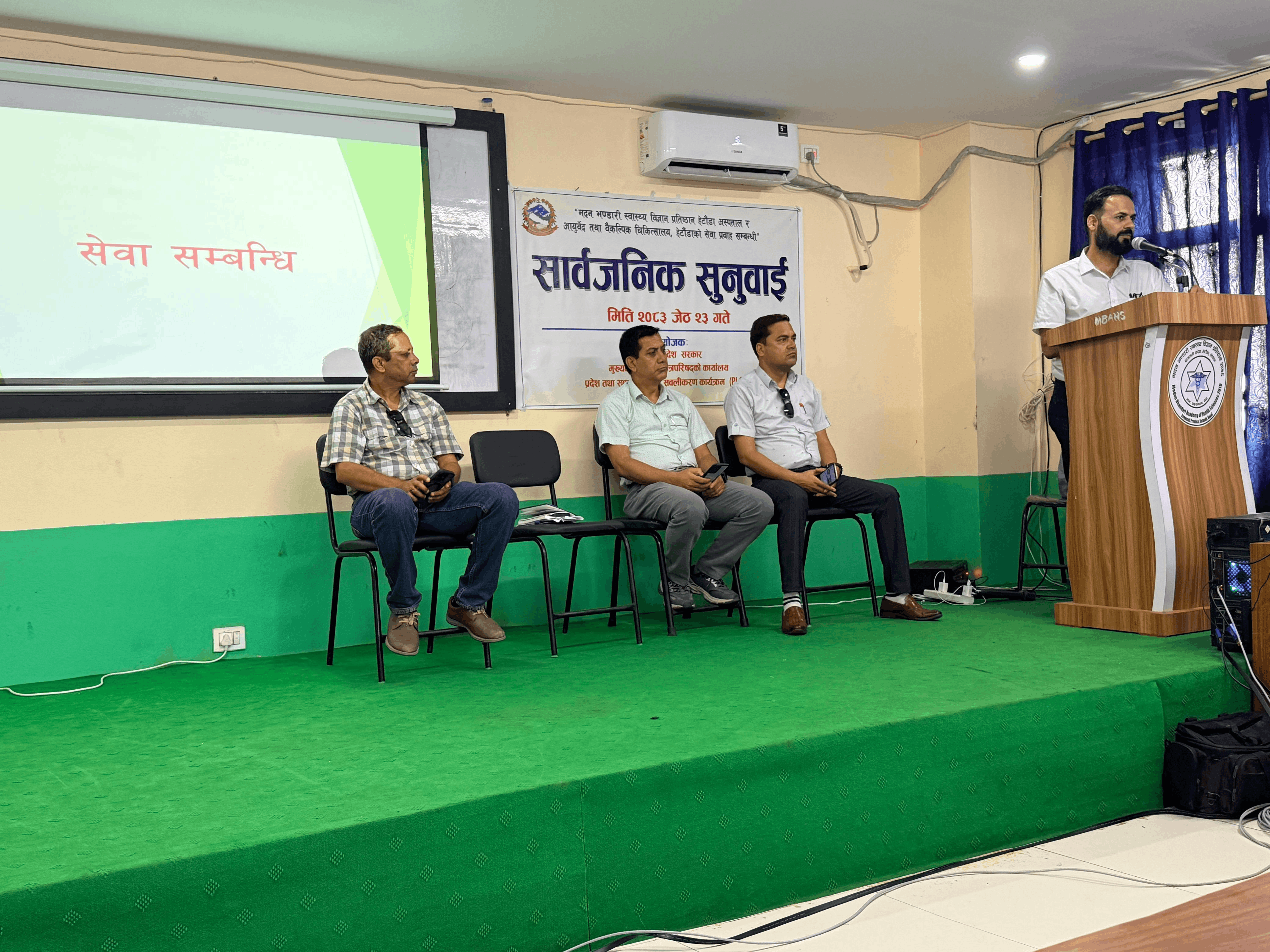
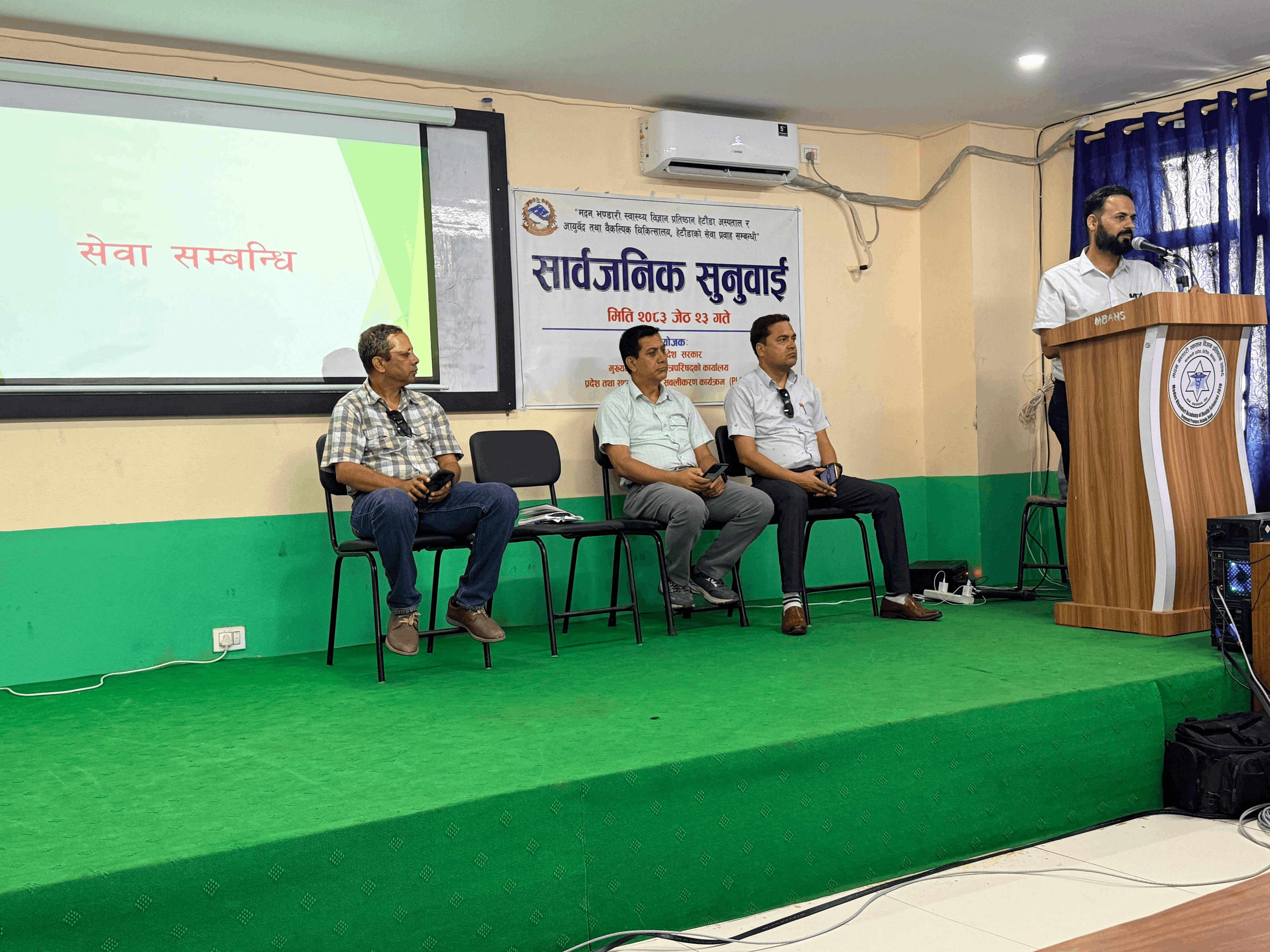
Public Hearing on Health Service Delivery Held in Hetauda to Strengthen Accountability and Citizen Engagement
The Office of the Chief Minister and Council of Ministers (OCMCM), Bagamati Province, organized a public hearing on the service delivery of Madan Bhandari Academy of Health Sciences, Hetauda Hospital, and the Ayurveda and Alternative Medicine Hospital (AAMH) on 6 June 2026 in Hetauda,with the technical and financial support of the Province and Local Governance Strengthening Programme (PLGSP),
As part of its commitment to promoting accountable, transparent, and citizen-centric public services, OCMCM engaged an independent third party to facilitate the public hearing process and gather citizens' feedback on the quality of health services.
Prior to the event, the facilitating agency conducted exit polls and citizen report cards among 150 service recipients, including 100 patients from Hetauda Hospital and 50 from the AAMH. The survey respondents comprised 51 percent women and 49 percent men, providing a balanced representation of service users.
Showcasing Expanding Health Services
Presenting on behalf of the AAMH, Mr. Ashok Kumar Jha highlighted the wide range of services currently being offered by the institution. These include maternal and lactating mother nutrition support, preventive yoga, physiotherapy, acupuncture, Panchakarma services, Kshar Sutra treatment, leech therapy, therapeutic yoga, health education sessions, Healthy Kitchen initiatives, Swarna Bindu administration for children, minor surgical procedures, and several other specialized Ayurvedic and alternative healthcare services.
Similarly, Dr. Ram Chandra Sapkota, Medical Superintendent of Hetauda Hospital, presented the hospital's remarkable journey from a modest 15-bed facility to its current 300-bed capacity. He shared that the hospital now provides a broad range of specialized services, including intensive care, emergency care, obstetrics and gynecology, hemodialysis, Neonatal Intensive Care Unit (NICU), and Pediatric Intensive Care Unit (PICU). Plans are underway to expand ICU beds from 14 to 20 and increase operation theatres from two to four. He further informed that the hospital's waste management plant is nearing completion and that the hospital currently serves more than 2,000 patients every day.
Citizen Feedback Highlights Strengths and Areas for Improvement
Following the presentations, the facilitating agency, Hetauda Multimedia Pvt. Ltd., presented the findings from the Exit Polls and Citizen Report Cards. The findings reflected many positive aspects of service delivery while also identifying critical areas requiring improvement.
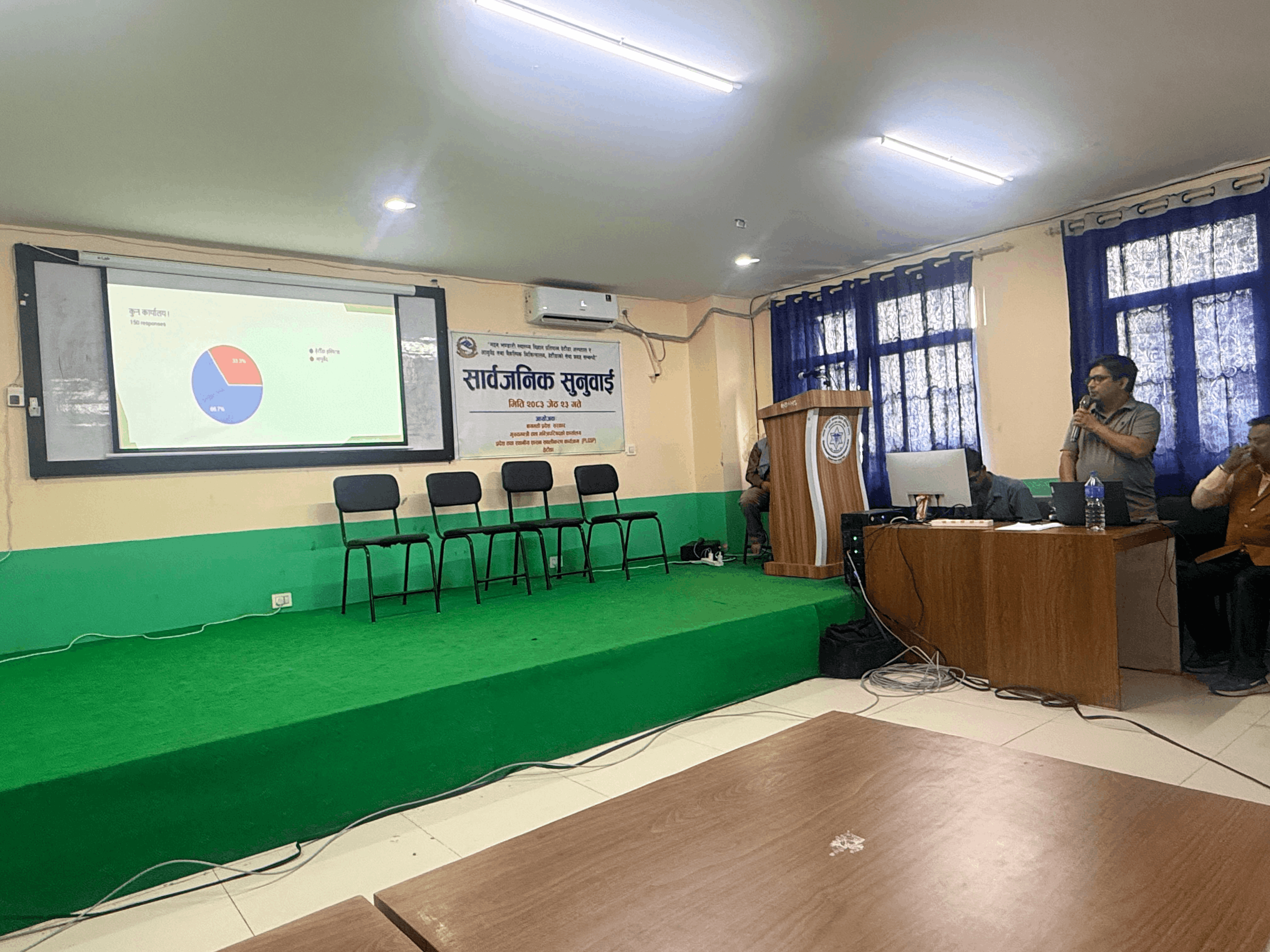
During the interactive session, citizens and stakeholders actively raised concerns and sought clarifications from the service providers.
Key issues raised regarding Hetauda Hospital included:
- Unwelcoming behaviour of some nursing staff, particularly in the emergency department.
- Continued need for patients to travel outside Hetauda for specialized treatment despite significant investments in local health infrastructure.
- Long waiting times and inefficient queue management at ticket counters and pharmacies.
- Difficulty in obtaining medicines due to overcrowding at the pharmacy.
- Delays in outpatient services, with OPD tickets available from 7:00 a.m. while consultations often begin around 10:00 a.m.
- Challenges in obtaining referral approvals for eye treatment under the health insurance scheme, often requiring three to four hours.
- Limited availability of ICU beds for the general public.
- Concerns regarding procurement transparency.
- Poor condition of the mortuary, resulting in difficulties for bereaved families.
- Alleged referrals of patients to private hospitals, raising ethical concerns.
- Increased service charges and the need for greater transparency regarding fee revisions.
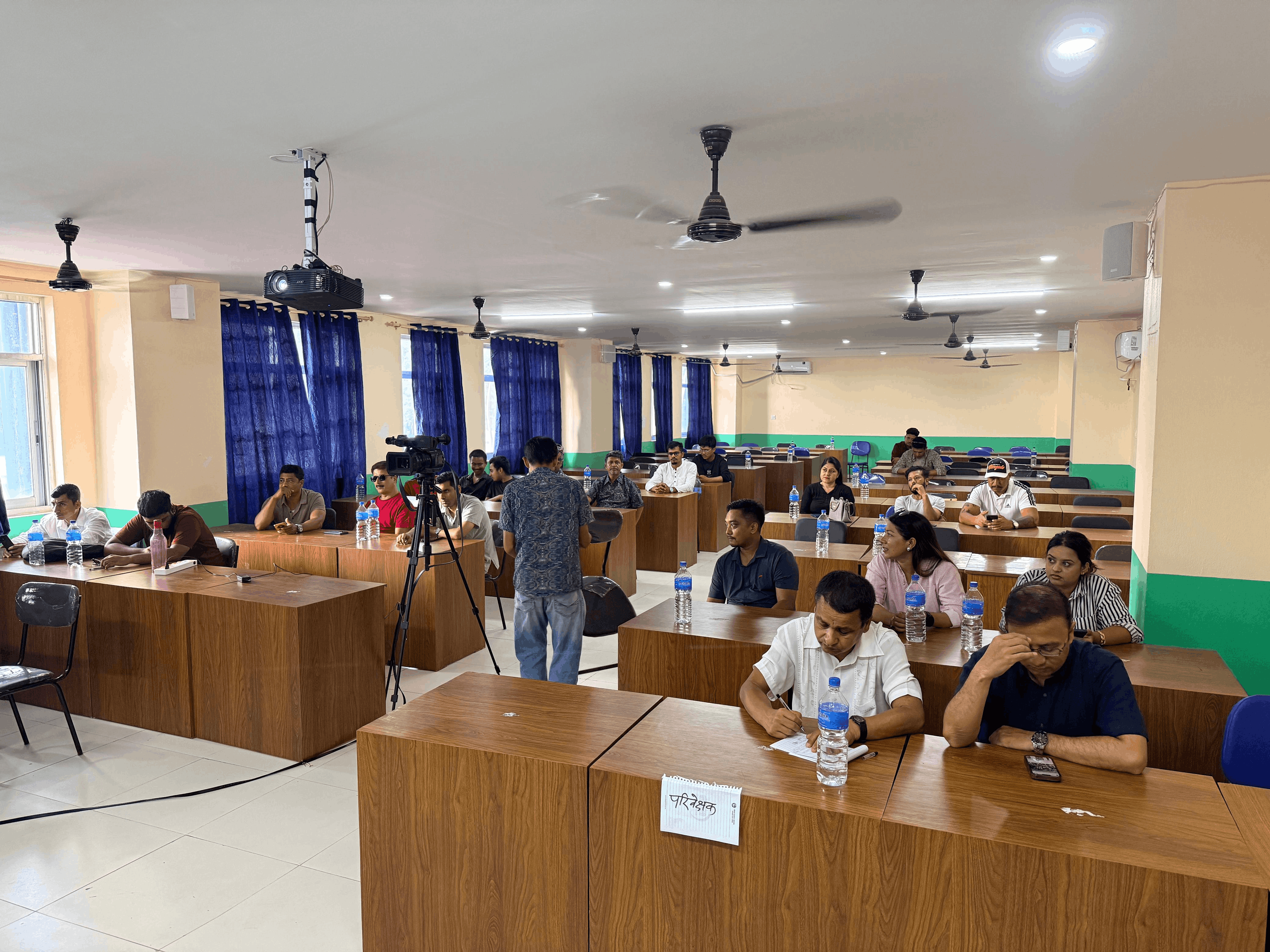
Participants also expressed concerns over the quality of diagnosis and treatment in some cases. One citizen shared an experience where a patient remained hospitalized for a week without improvement but recovered within three days after being transferred to Kathmandu, highlighting the need for continuous capacity enhancement among health professionals.
To reduce waiting times, one participant proposed introducing two OPD shifts, from 7:00 a.m. to 1:00 p.m. and from 2:00 p.m. to 7:00 p.m.
The Medical Superintendent also raised a significant financial challenge facing the hospital, noting that reimbursement claims under the national health insurance programme exceeding NPR 25 crore remain outstanding.
Service Providers Respond to Public Concerns
Responding to the issues raised, Mr. Bhim Sagar Guragain from the Hetauda hospital management acknowledged that while the hospital has expanded to a 300-bed facility, its human resources are still structured for a 100-bed hospital. Limited operation theatres and staffing shortages continue to affect service delivery.
He emphasized that the hospital takes professional misconduct seriously and that staff members involved in behavioural issues or unethical practices have been warned or subjected to disciplinary action depending on the severity of the offence.
Dr. Sapkota informed participants that complaint boxes are regularly monitored and that grievances submitted through the e-Gunaso system are addressed promptly. He assured the public that pharmacy-related concerns would be addressed in the near future. He also observed that many minor medical cases are unnecessarily directed to the emergency department, increasing congestion and affecting patients requiring urgent care, and called for greater public awareness and shared responsibility.
Representatives from both Hetauda Hospital and the AAMH welcomed the constructive feedback and acknowledged the identified issues as opportunities for institutional improvement. They committed to taking gradual but concrete corrective measures to enhance service quality and citizen satisfaction.
Commitment from OCMCM and PLGSP
Mr. Ashim Ghishing Lama, Under Secretary at OCMCM, assured participants that the concerns and recommendations raised during the public hearing would be communicated to the relevant policy and budget planning authorities to help address funding and systemic gaps.
Mr. Ram Prasad Dahal, Provincial Programme Coordination Analyst of PLGSP, appreciated the participatory process and recommended that the facilitating agency present separate Exit Poll and Citizen Report Card findings for Hetauda Hospital and the AAMH. He emphasized that institution-specific analysis and recommendations would provide clearer guidance for targeted improvements and support evidence-based decision-making for enhanced service delivery.
The public hearing concluded with a shared commitment among government officials, health service providers, and citizens to strengthen accountability, improve healthcare services, and foster greater trust between public institutions and the communities they serve.