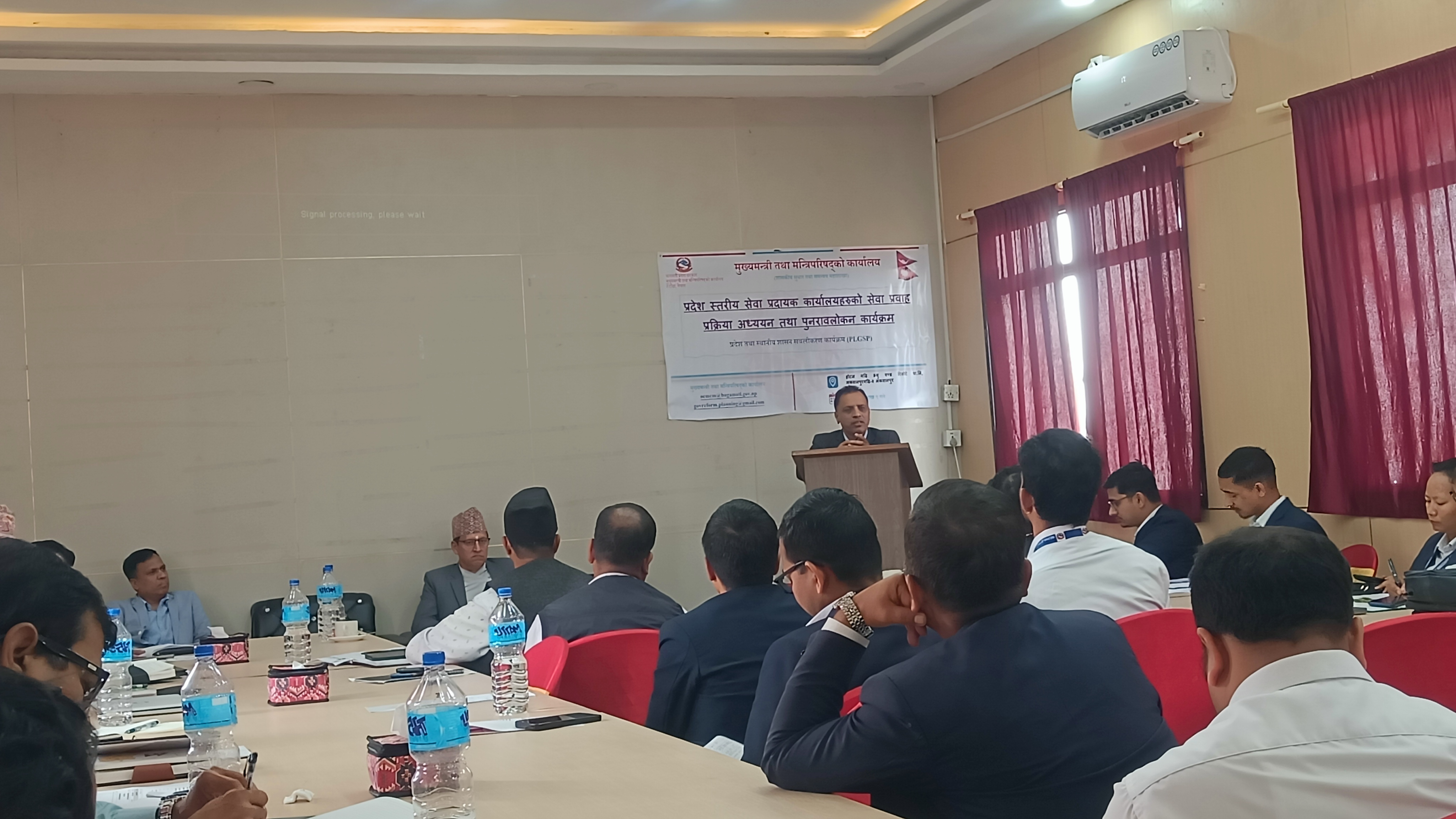
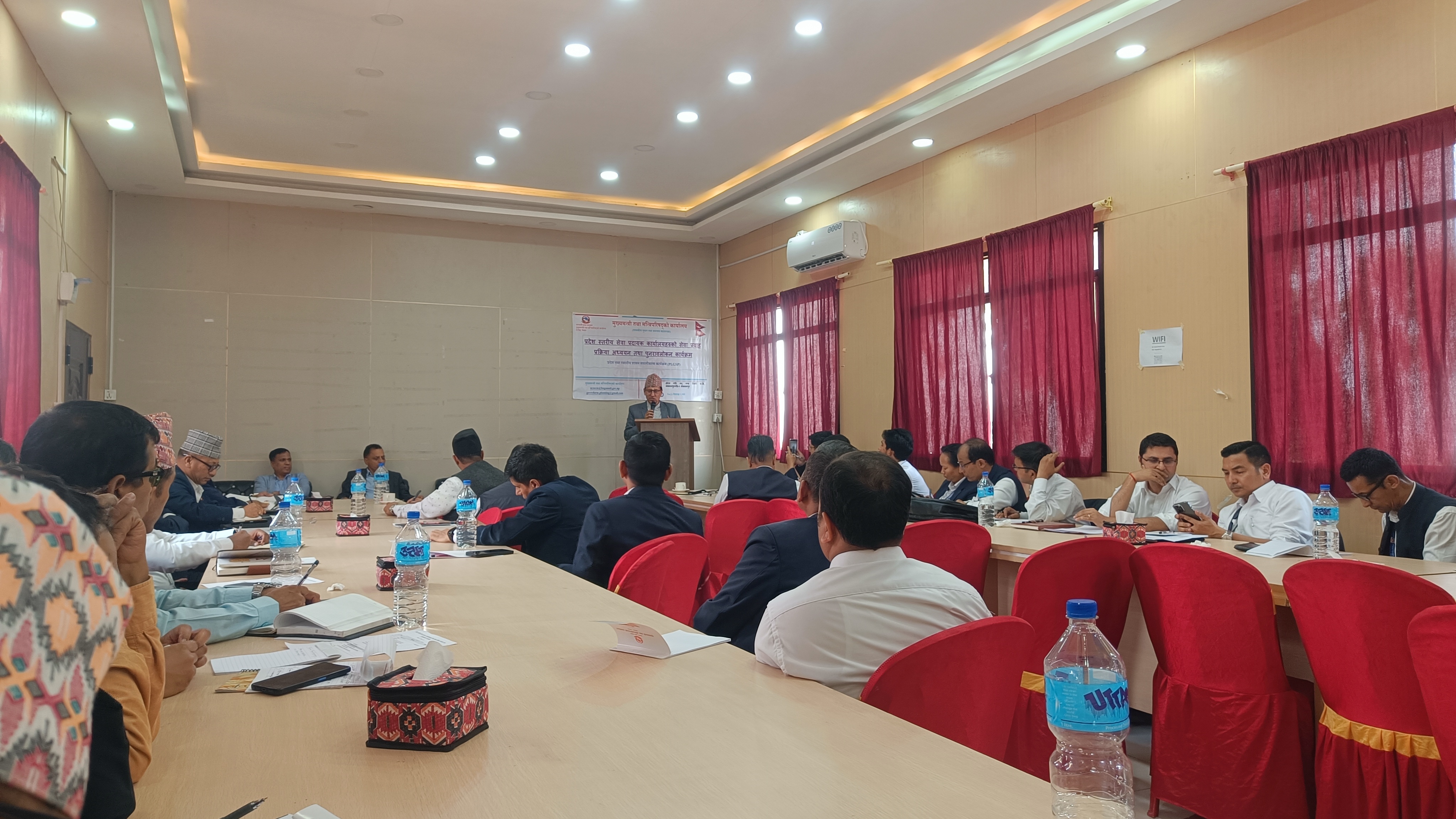
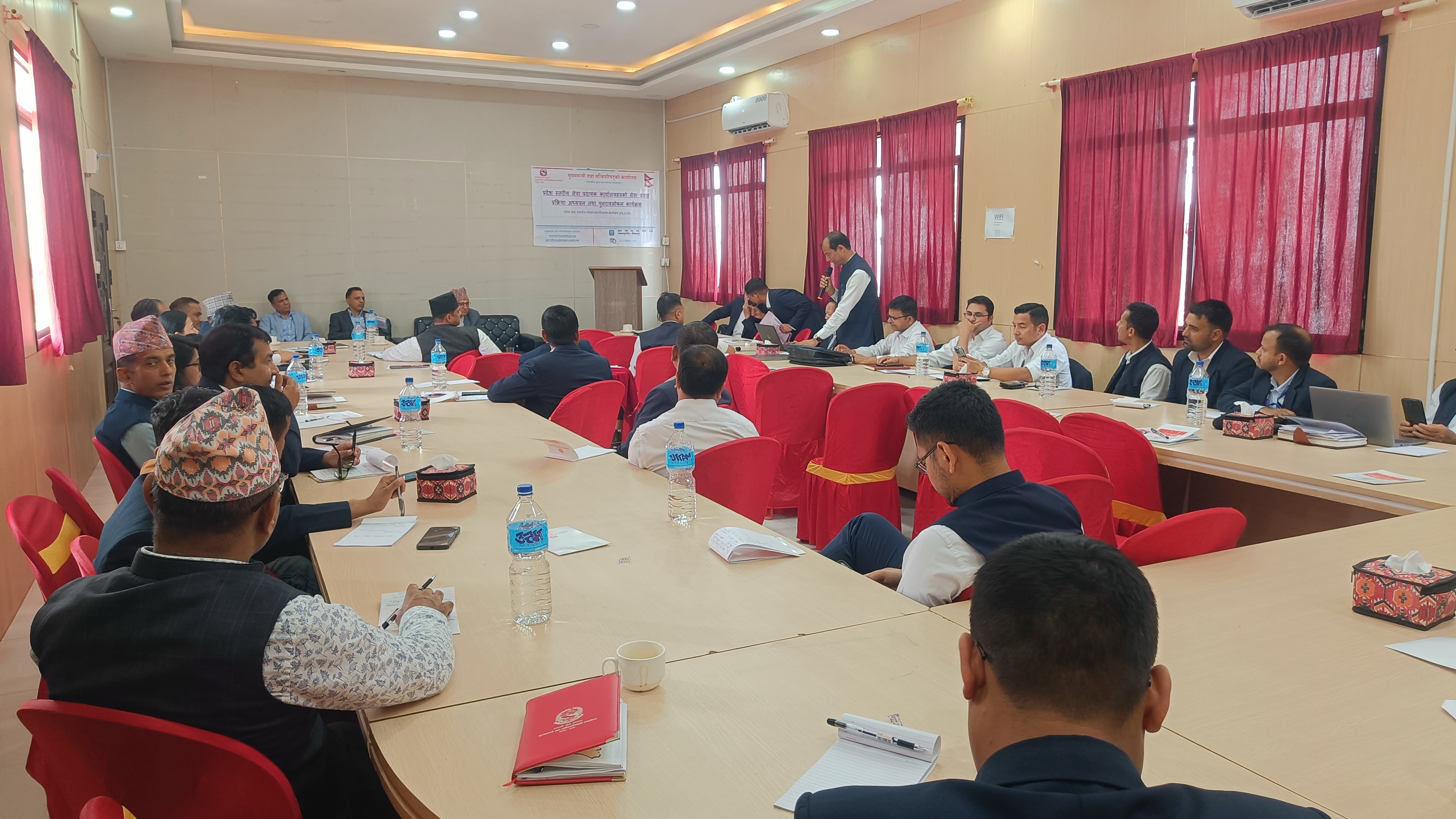
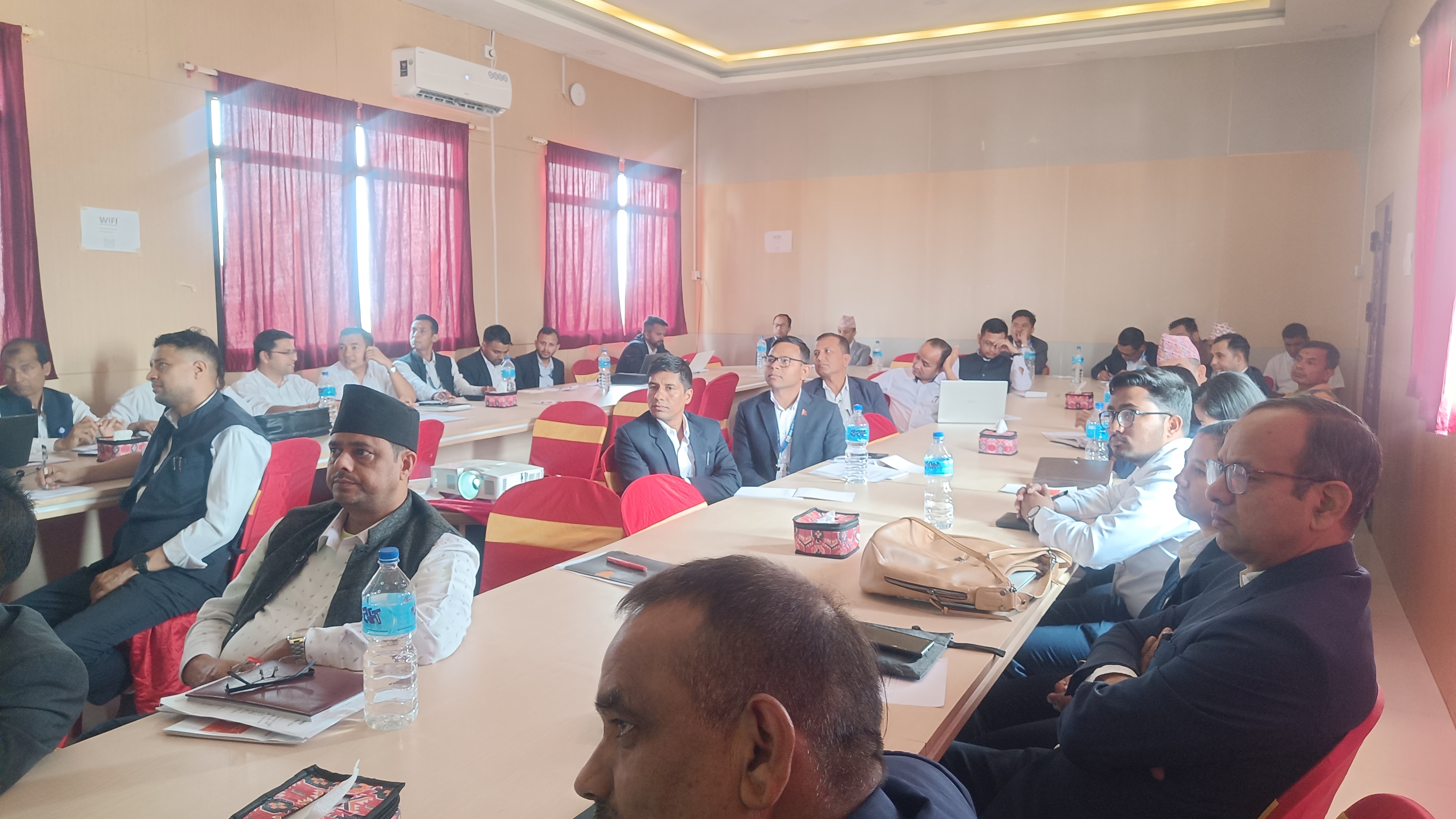
A Step Toward Advancing Citizen‑Centric Public Service Delivery in Bagmati Province
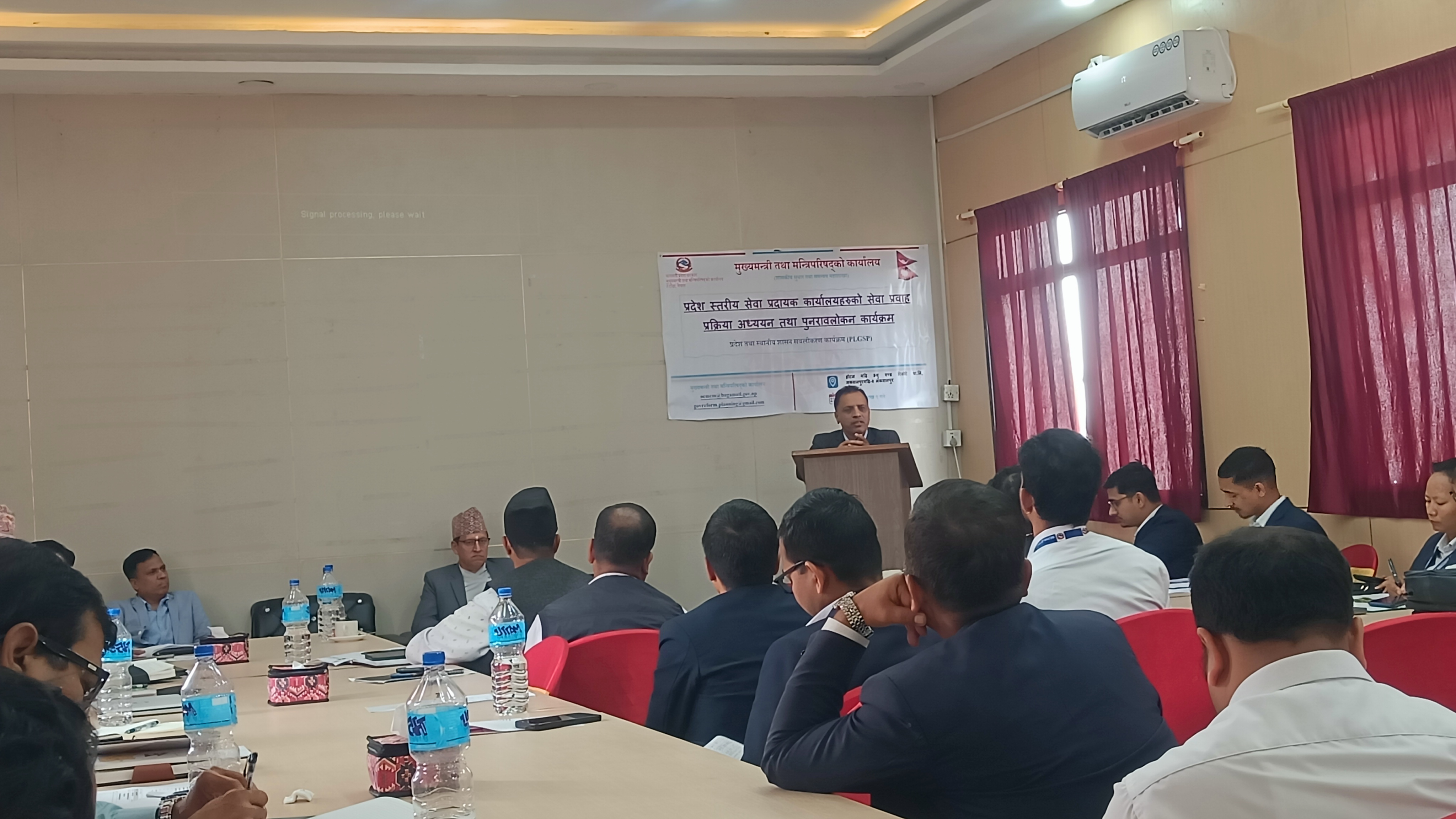
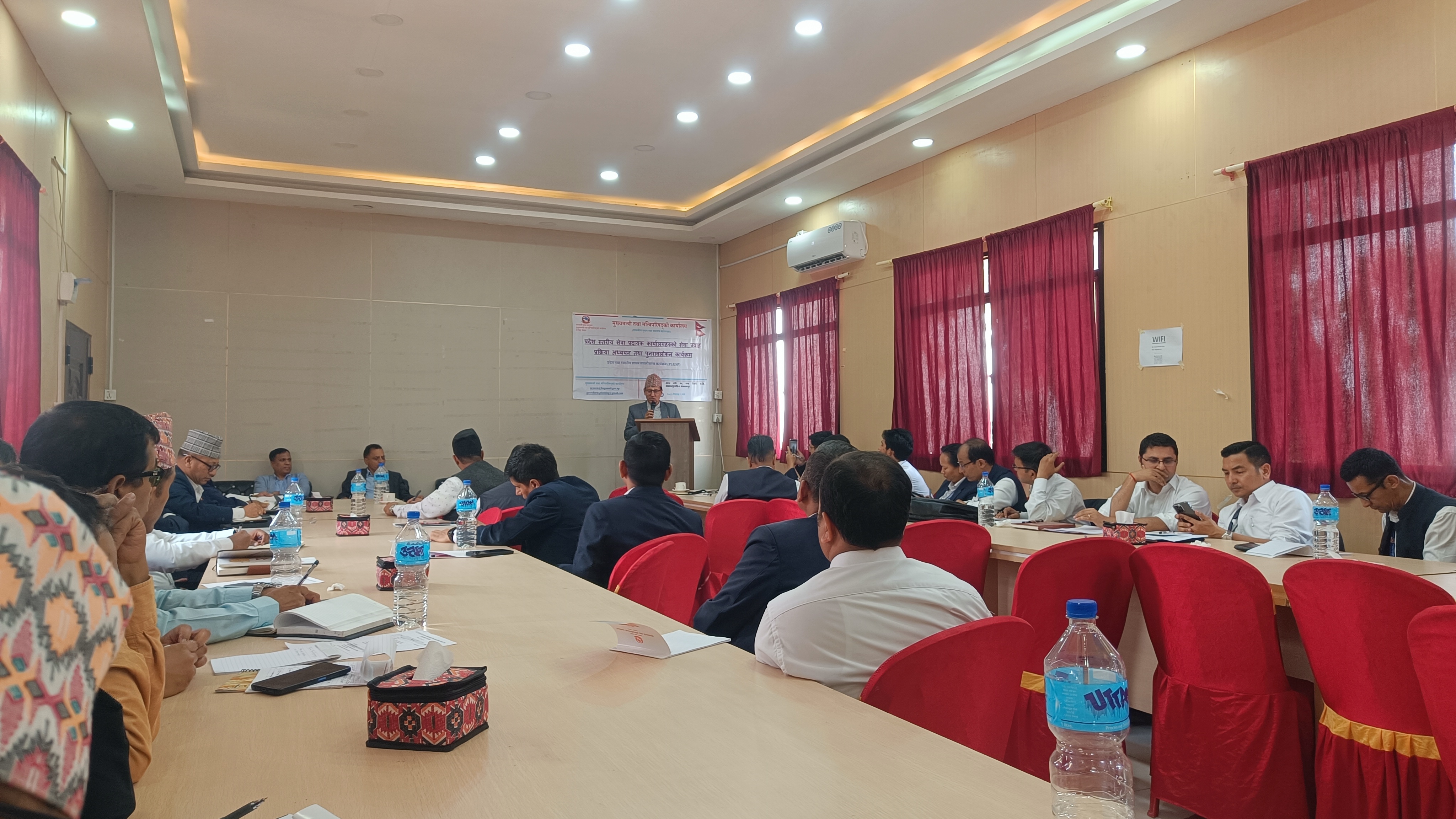
In a concerted effort to modernise public administration, the Office of the Chief Minister and Council of Ministers (OCMCM), Bagmati Province, in collaboration with the Provincial and Local Governance Support Programme (PLGSP), recently convened senior government officials and department heads to chart a strategic course for streamlining public service delivery across the province.
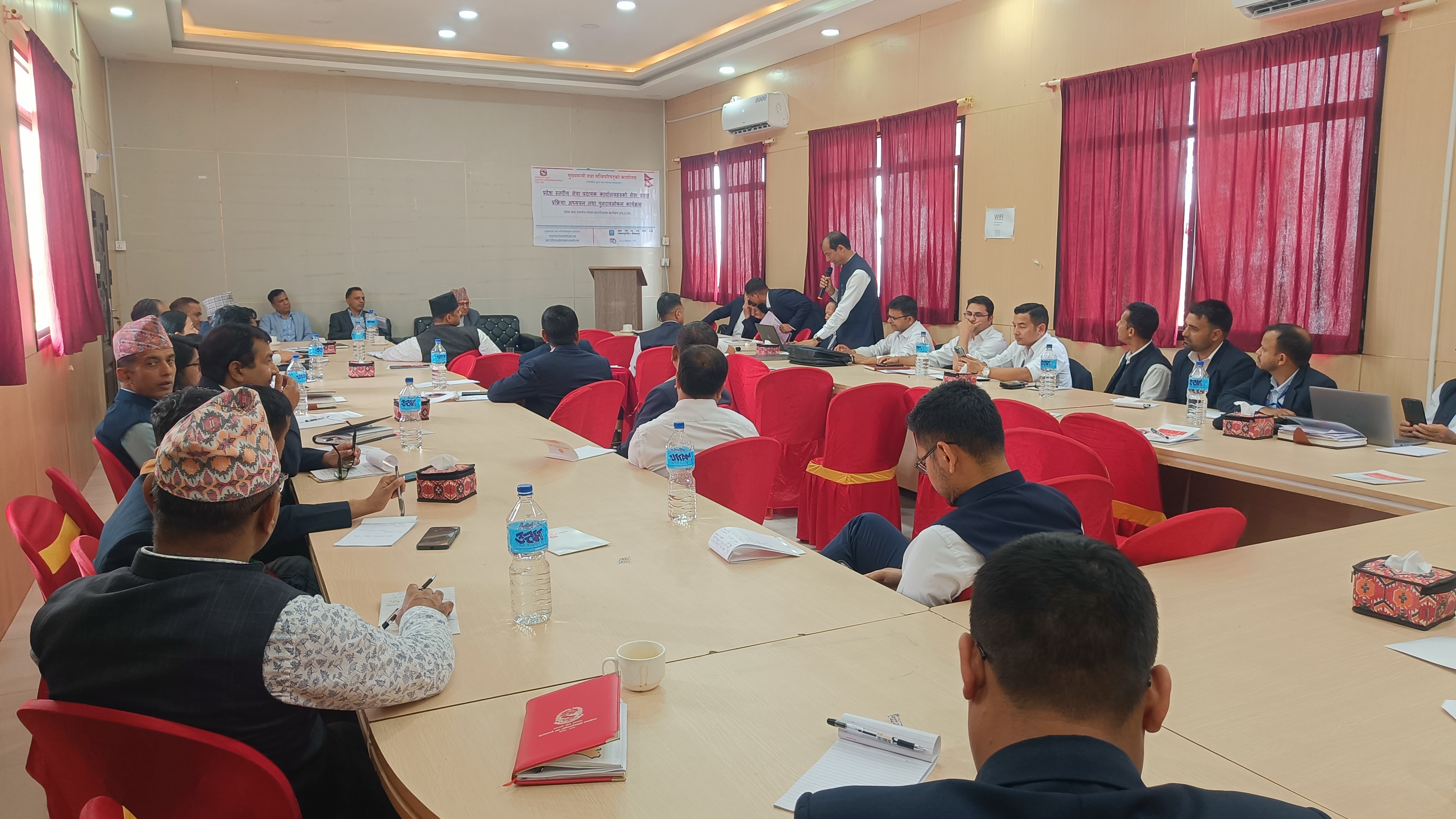
The initiative focused on transforming traditional, procedure‑driven administrative systems into accessible, efficient, and transparent service delivery models that place citizens at the centre of governance.
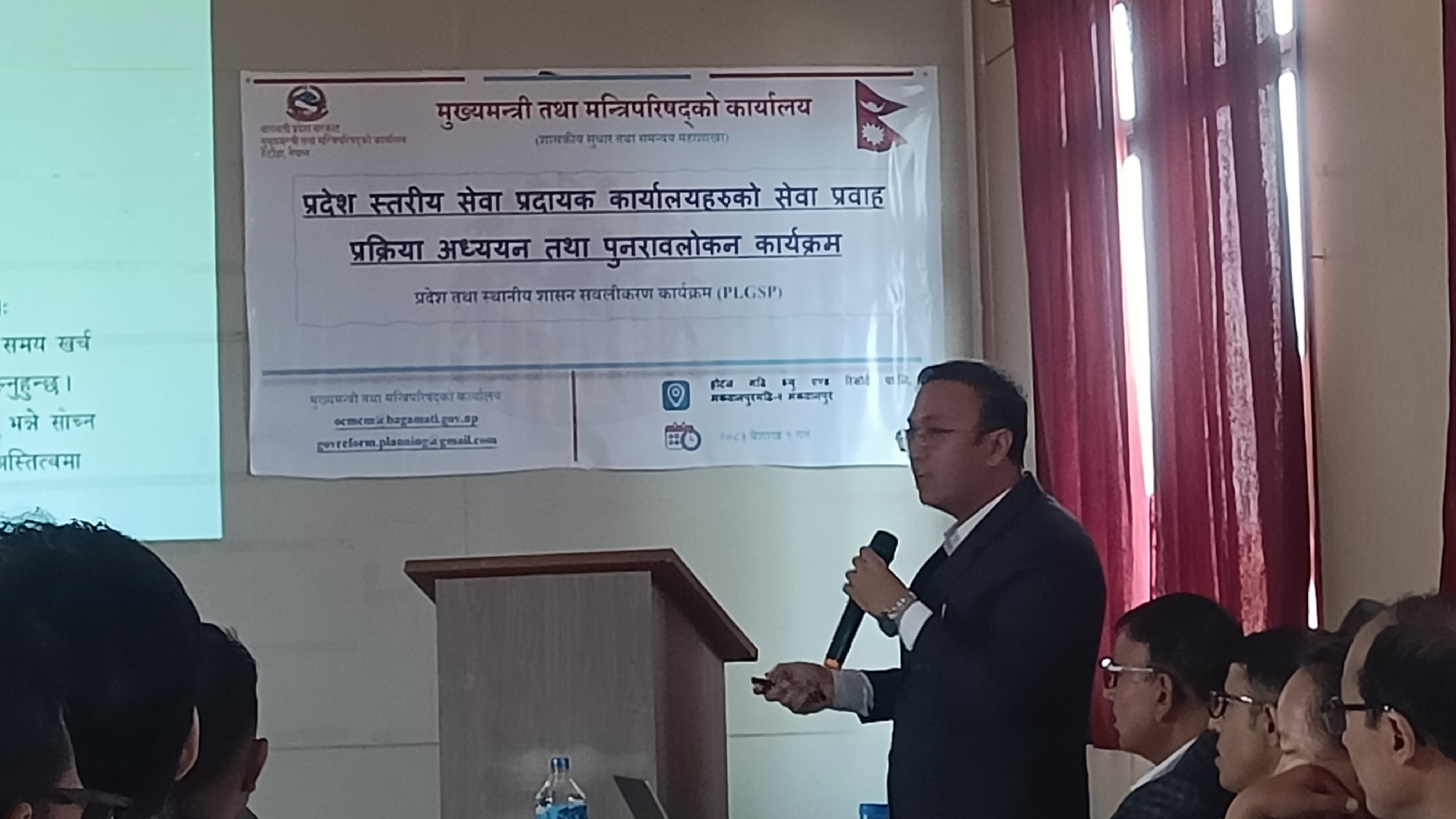
A key highlight of the programme was a presentation by Mr Ashim Lama, Officer at the provincial OCMCM and Provincial Programme Manager of PLGSP, who briefed participants on critical federal policy directions guiding ongoing provincial reforms.
Presentation on OPMCM Directives: Implementation of BPR Guidelines, 2083
During the session, Mr Lama presented and clarified the recent guidelines issued by the Office of the Prime Minister and Council of Ministers (OPMCM) on the “Implementation of Business Process Re‑engineering (BPR) Guidelines, 2083.”
He explained that, in accordance with the Government of Nepal’s Council of Ministers’ decision dated Chaitra 13, 2082, Point No. 10 of the approved 100‑Point Governance Reform Agenda mandates all public bodies to take decisive action to address delays, rising service costs, and inefficiencies caused by duplicated and overly complex processes.
Furthermore, Mr Lama highlighted that, following a Chief Secretary‑level decision dated 2083/01/07, all three tiers of government have been formally requested to adopt the BPR Implementation Guidelines, 2083, ensuring systematic process restructuring, effective monitoring, evaluation, and reporting.
Driving Efficiency Through Modern Methodologies
Aligned with the OPMCM’s federal directives, the programme emphasised the application of modern management frameworks to eliminate procedural bottlenecks. Participants discussed the practical use of Business Process Re‑engineering (BPR), Six Sigma, and Time and Motion Studies to identify unnecessary steps, reduce errors, and significantly shorten public service delivery timelines.
Championing Digital Governance and Innovation
The initiative also underscored the importance of digital transformation in improving service delivery. Successful provincial practices such as fully online service portals and digital information banks were shared as benchmarks, demonstrating how e‑governance solutions can effectively overcome traditional administrative constraints.
Key Strategic Recommendations
To address challenges related to limited resources and procedural complexity, participants committed to a forward‑looking action plan that includes:
- Simplifying Processes: Immediate review and streamlining of all citizen‑facing services in strict compliance with the OPMCM’s 30‑day timeline and three‑tier approval limit.
- Replicating Digital Success: Scaling up proven e‑governance platforms and digital solutions across provincial offices.
- Fostering Innovative Leadership: Encouraging proactive leadership, with performance evaluations linked to improvements in governance and service simplification.
- Enhancing the Public Experience: Implementing Clean Office Concepts to create organised, welcoming, and citizen‑friendly service environments.
Moving Toward Citizen‑Focused Governance
Overall, the initiative reaffirmed a strong, unified commitment among provincial leaders to move beyond conventional administrative practices. By prioritising accountability, digital innovation, alignment with federal reforms, and process optimisation, Bagmati Province is taking concrete steps toward a more efficient, transparent, and citizen‑centric system of governance.