Smart Governance Unleashed: Bhaktapur’s Digital Shift
Rising Expectations and the Digital Imperative
Local governments are the frontline of public service delivery, turning policies into real services people can see and trust. In Bhaktapur Municipality, however, this promise was constrained by largely manual, time-consuming processes. Despite some early e-governance efforts, services remained fragmented and disconnected from daily operations. Citizens had to visit offices in person for basic needs—accessing lab reports, filing grievances, or seeking information—often facing long queues, repeated visits, and bureaucratic delays.
Limited ICT infrastructure, a shortage of skilled personnel, and minimal exposure to digital innovation further slowed progress. Municipal staff were burdened with repetitive administrative tasks, leaving little room for service improvement. Most critically, the absence of simple digital platforms for feedback and complaints weakened transparency, reduced citizen engagement, and eroded public trust.
PLGSP’s Intervention: Building Capacity for Change
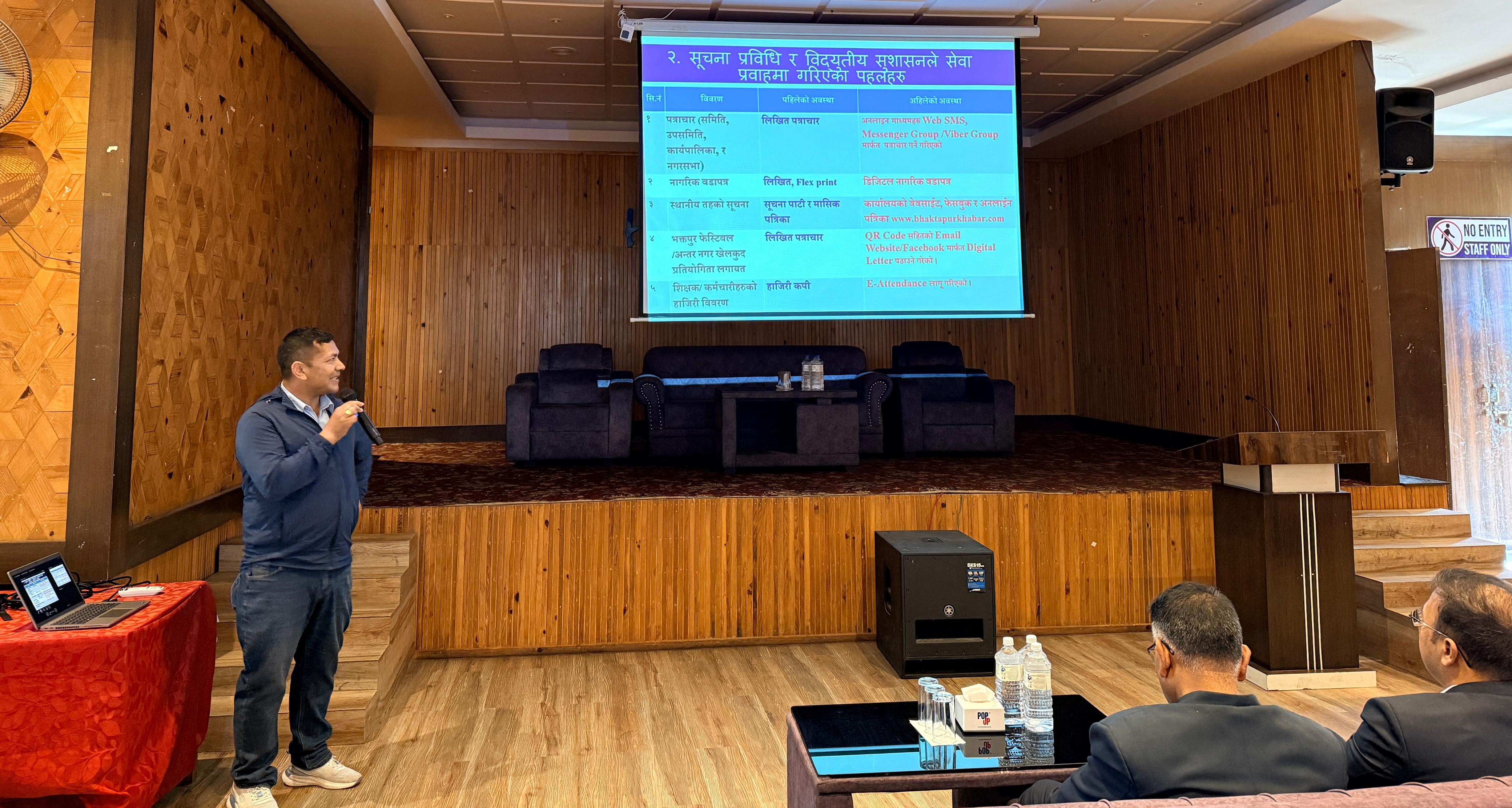
Recognizing that digital governance depends on strong human capacity, the Provincial and Local Governance Support Programme (PLGSP) has played a catalytic role by deploying IT Officers in all Local Governments (LG) across Nepal and investing in their continuous skill development. Building on this, Bhaktapur Municipality demonstrated strong ownership by allocating its own budget to institutionalize an IT Officer.
PLGSP complemented this commitment with technical guidance, capacity-building, and ongoing facilitation, while the municipality ensured coordination and ownership for sustainable implementation.
Through structured trainings, exposure visits, and peer learning, IT Officers gained practical skills to adopt and replicate innovations. In Bhaktapur, this support proved transformative—empowering a dedicated ICT professional to turn knowledge into impactful digital solutions.
The Digital Catalyst: Leadership of Jauvan Koju
At the center of Bhaktapur Municipality’s digital transformation is Mr. Jauvan Koju, a 7th-Level Computer Officer with over two decades of public-sector ICT experience. Starting in 2002 at the District Development Committee, he rose through the system and now serves the municipality under its own resources.

Working within constraints, Koju focused on practical, low-cost solutions over expensive systems. As he puts it, “Even small technological initiatives can transform service delivery and strengthen digital governance.”
With skills enhanced through PLGSP support, he turned learning into action—designing simple, effective digital tools that improve everyday services for citizens.
Digital Interventions: Simple Innovations with Powerful Impact
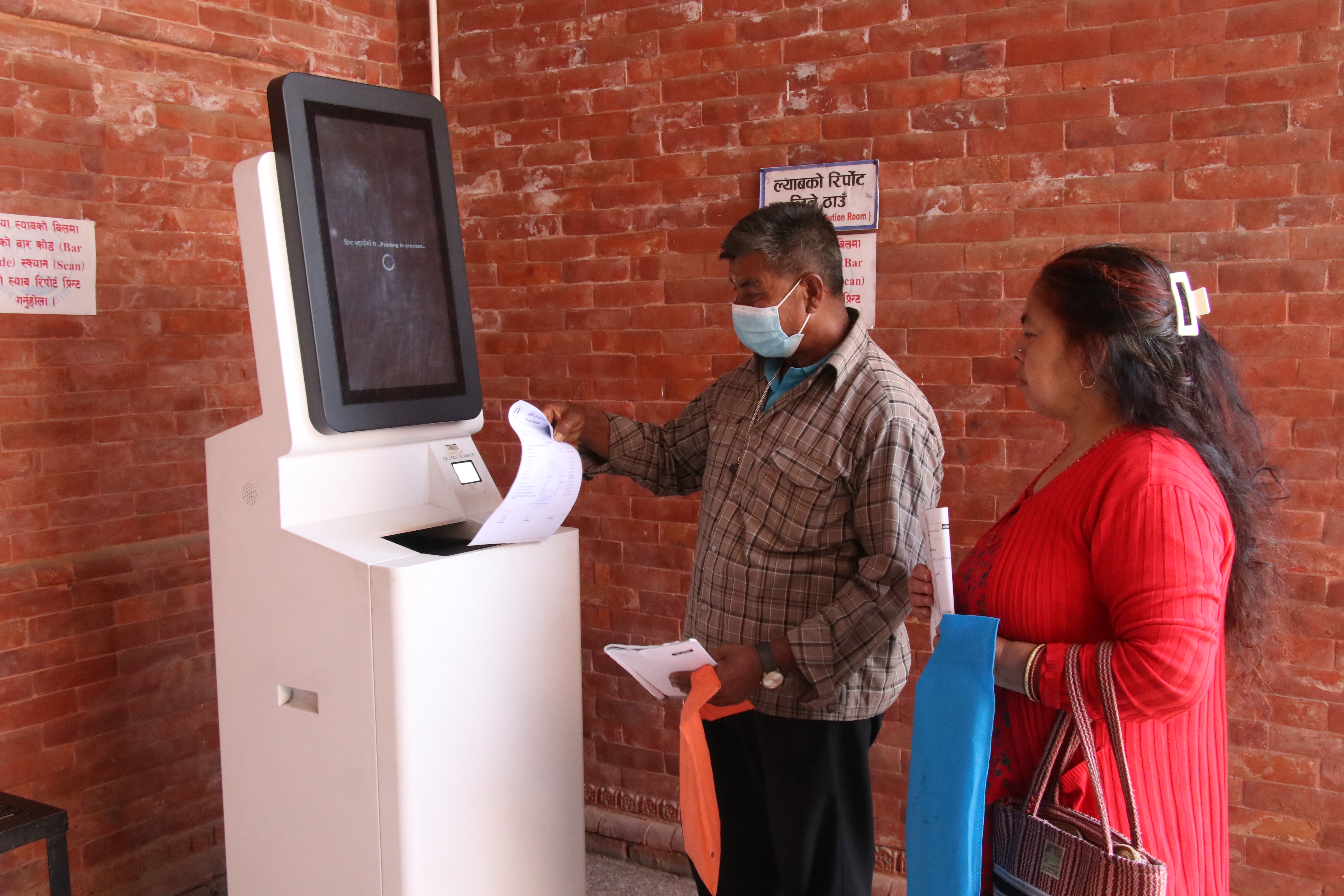

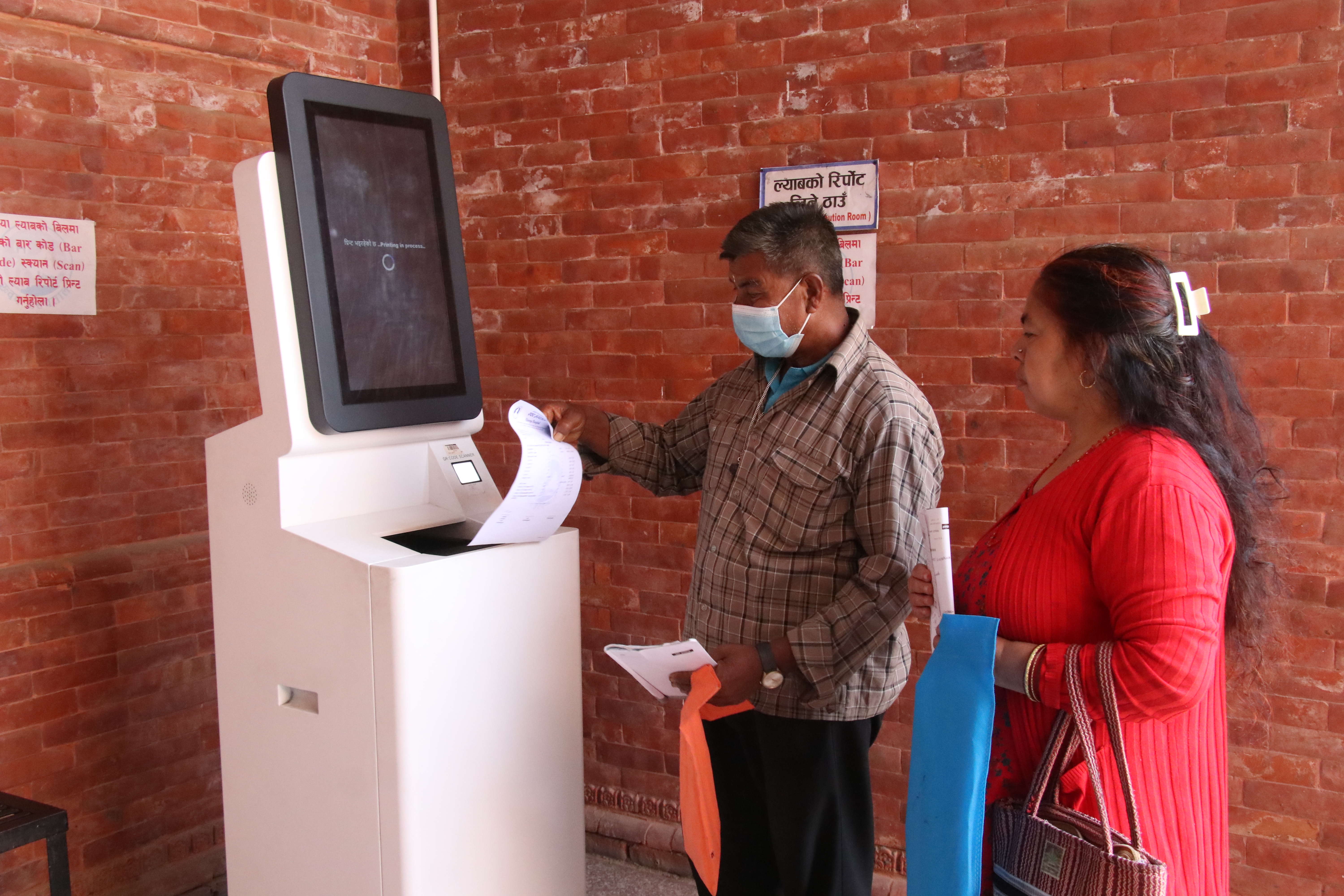
One of the most transformative initiatives at Khwopa Hospital was the introduction of a QR-based lab report system. Previously, patients waited hours—or even days—to collect reports. Now, a simple QR code on the receipt lets them access, download, and print results instantly via mobile—eliminating queues, cutting delays, and boosting satisfaction.
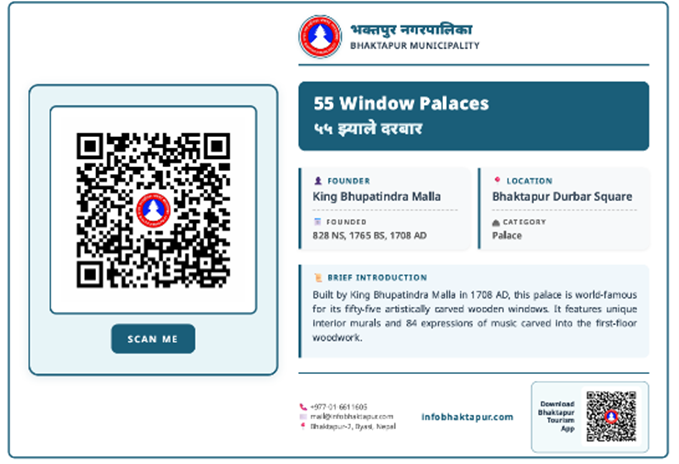
Building on this, Bhaktapur Municipality introduced QR-enabled heritage information at key cultural sites, allowing visitors to instantly access rich digital content. This enhanced tourist experience, encouraged self-guided exploration, and supported local revenue.
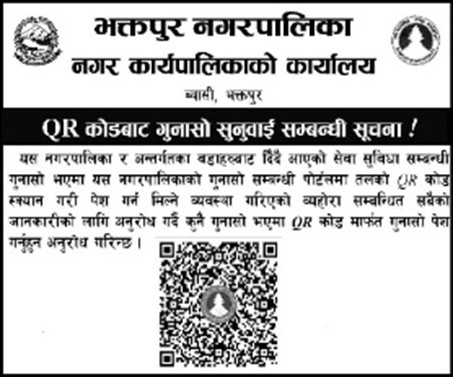
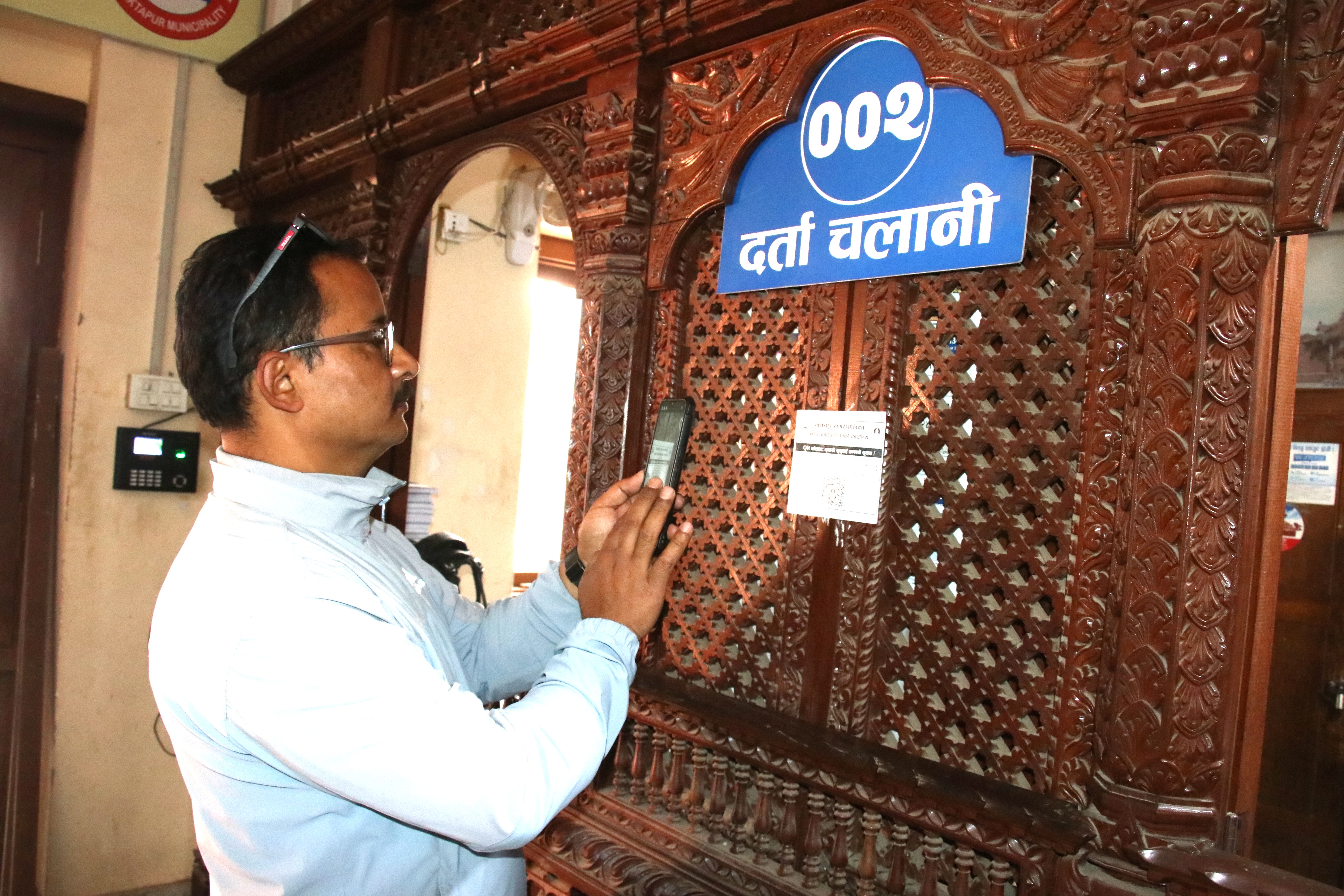
The municipality also launched a QR-based grievance system in March 2026. Within just 15 days, 37 submissions were recorded—mainly on service delivery, water, sanitation, and local development—highlighting strong citizen uptake and growing trust.
Results and impact: A Visible Shift in Service Delivery

The impact was immediate—faster services, reduced workloads, and a more user-friendly citizen experience. At Khwopa Hospital, long queues for lab reports disappeared. As Lab Technician Ms. Manju Byanju noted, patients can now access and print reports themselves, boosting satisfaction and digital confidence, while staff are freed for more critical tasks—saving both time and cost.
The QR-based grievance system strengthened transparency by capturing structured citizen feedback, while departments gained actionable insights to improve services. With fewer clerical burdens, staff could focus on higher-value work—fostering a growing culture of digital governance in Bhaktapur Municipality.
A Big Leap for Local Government Digital Transformation
Bhaktapur Municipality’s journey shows that digital transformation doesn’t require complex systems—just smart, citizen-focused innovation. Enabled by Provincial and Local Governance Support Programme and driven by Jauvan Koju, the municipality delivered high-impact results with modest resources.
As Koju reflects: “PLGSP strengthened my capabilities and unlocked my potential—I remain grateful for its role in my growth.”
This case proves that meaningful digital change is powered by vision, skills, and commitment—not large budgets. It highlights how empowered digital champions can drive institutional transformation, and how investing in human capital remains the most sustainable path to strengthening local e-governance.