
Digital Transformation for Stronger Local Governance in Bagmati
Marking a significant milestone in advancing grassroots digital governance, the Provincial and Local Governance Strengthening Programme (PLGSP) under the leadership of the Office of the Chief Minister and Council of Ministers, Bagamati Province successfully organised a two‑day interaction programme in Hetauda on 6–7 April 2026.
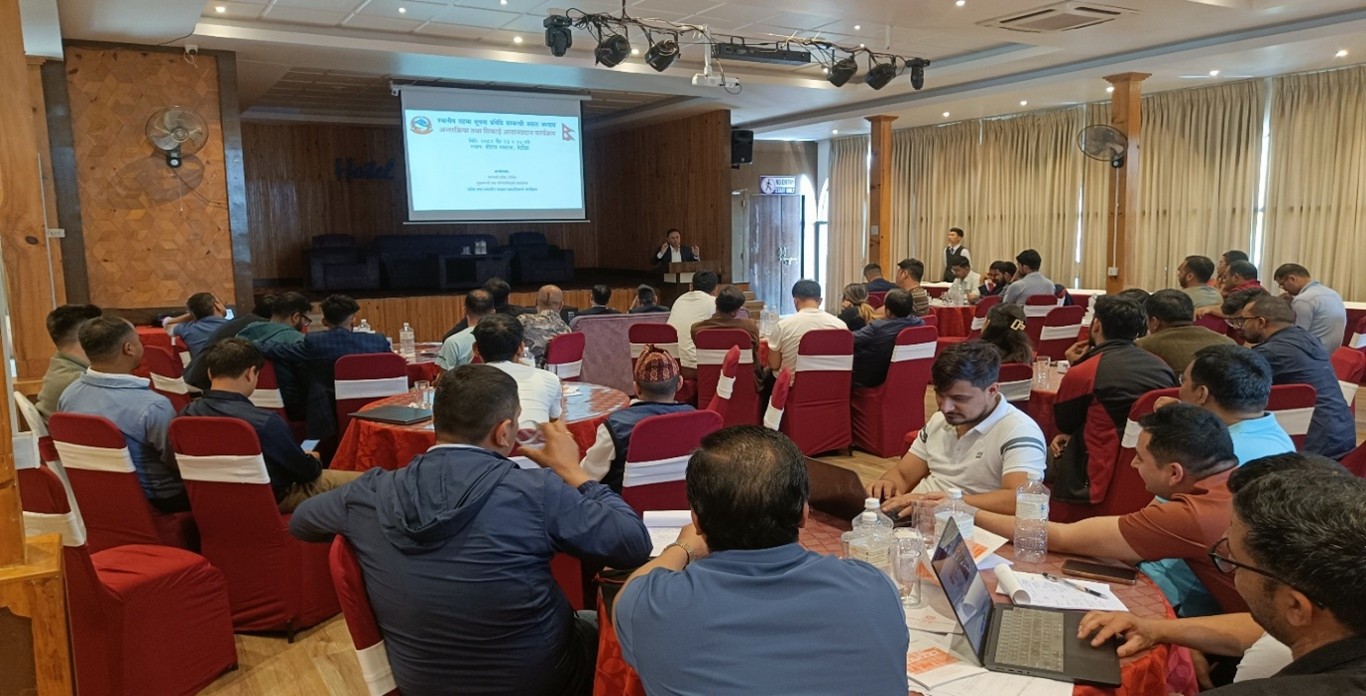
Figure 1: The PLGSP Bagamati Provincial Programme Manager outlining the objectives of the interaction programme.
The programme brought together out of 37 IT Officers and technical professionals (34 M and 3 F) from local governments across Bagamati Province. It created a dynamic platform for knowledge exchange, collaborative problem‑solving, and the sharing of innovative digital practices aligned with local governance needs.
Engagement from the Provincial Government
The programme was further enriched by the active engagement of senior officials from the OCMCM. Provincial representatives interacted directly with local government IT officers, gaining first‑hand insights into operational challenges while recognising notable progress and achievements at the local level.
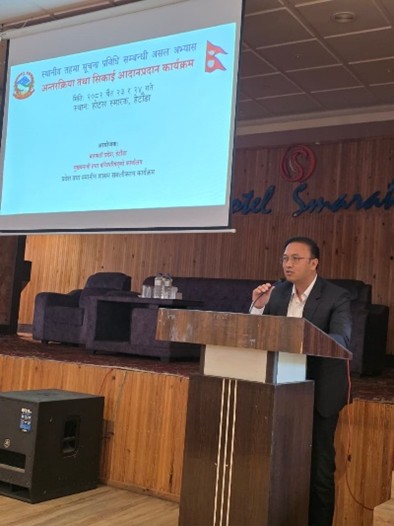
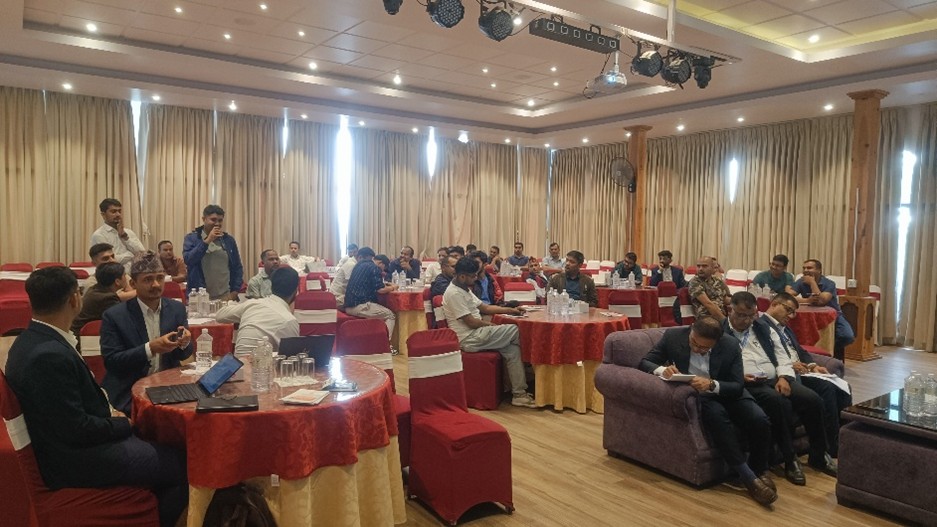
Figure 2: Provincial officials and local government IT officers discussing Bagamati Province’s digital transformation agenda.
Throughout the discussions, provincial officials reaffirmed the Government’s strong commitment to digital transformation as a cornerstone of good governance, transparency, efficient service delivery, and sustainable development. A shared vision was articulated to position Bagamati Province as a national leader and role model in digital governance.
Key Focus Areas of the Program
The intensive two‑day interaction programme was structured around four strategic pillars designed to strengthen a responsive and sustainable digital governance ecosystem across local governments:
- Showcasing Success Stories and Best Practices: The programme highlighted impactful, grassroots‑level digital initiatives led by municipalities and rural municipalities. By presenting locally driven innovations and proven practices, participants were encouraged to replicate successful models and promote a culture of continuous learning and improvement.
- Technical Knowledge Exchange and System Strengthening: Focused technical discussions reviewed and strengthened key government systems, including the Local Governance Performance Assessment System (LGPAS) and the Government Integrated Office Management System (GIOMS). Participants provided practical feedback aligned with the Government’s 100‑day priority targets, supporting improved system usability, functionality, and integration at the local level.
- Collaborative Solutions to Shared Challenges: Through group discussions and breakout sessions, IT officers jointly identified common implementation challenges and developed practical, sustainable, and locally adaptable solutions through peer collaboration.
- Strengthening Professional Networks: Beyond technical engagement, the programme prioritised building stronger professional networks among public‑sector IT officers, laying the foundation for ongoing collaboration, peer support, and knowledge exchange across Bagamati Province.
Spotlight on ICT Initiatives: Local Governments Leading the Way
The interaction programme showcased the innovative digital initiatives emerging from local governments across Bagamati Province. Rather than merely adopting technology, municipalities are designing context‑specific digital solutions tailored to community needs. Despite challenges such as difficult geography, limited infrastructure, and human resource constraints, these efforts demonstrate that meaningful and sustainable digital transformation is achievable even with limited resources.
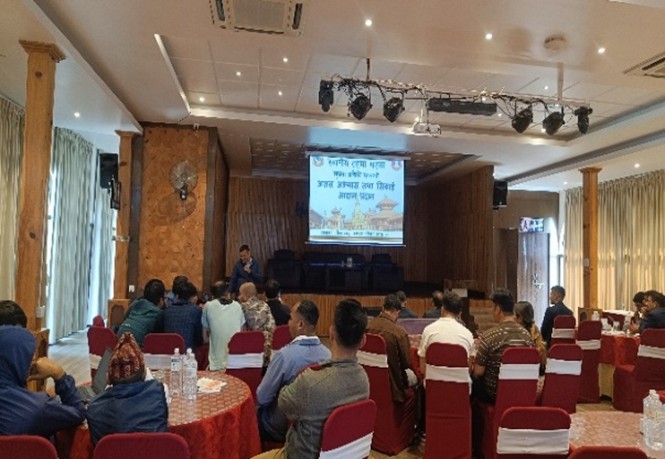
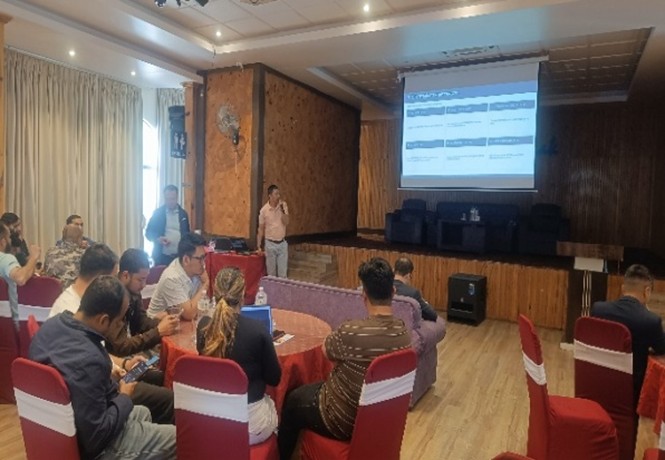
Figure 3: Local Governments IT officers sharing best practices and digital innovations.
Key Outcomes and the Road Ahead
The success of the interaction program reaffirmed a powerful message: when collaboration is prioritized, meaningful and sustainable digital progress is possible regardless of resource limitations. Participants concluded the program equipped with fresh insights, stronger professional connections, and a renewed collective commitment to overcoming shared challenges on the journey toward digital governance.
Building on this momentum, from this program we find that the Province Government and the PLGSP should focus on advancing the following strategic priorities:
Strategic Priorities Going Forward
- Standardising and Integrating Digital Systems: Accelerating the adoption of integrated, interoperable, and user‑friendly digital platforms across all local governments to build a cohesive, efficient, and scalable digital ecosystem.
- Strengthening Capacity and Skills: Expanding targeted capacity‑building initiatives in critical areas such as cybersecurity, advanced network management, data analytics, and digital leadership to future‑proof local government IT services.
- Mobilising Strategic Investment: Promoting sustained and strategic investment in core IT infrastructure, digital innovation, and the continuous professional development of IT personnel to ensure long‑term impact and resilience.
- Enhancing Policy and Governance Frameworks: Advancing clear procurement guidelines, standardised data protocols, and well‑defined roles and responsibilities for IT professionals, enabling greater focus on innovation and improved service delivery.
Building a Citizen First Digital Future
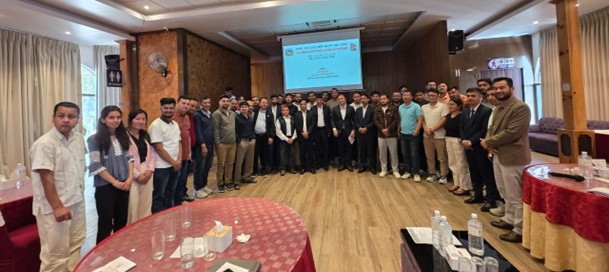
Figure 4: Participants posing for a group photograph during the closing session.
More than a technical workshop, this interaction programme served as a catalyst for collective action and a reflection of a shared vision for a digitally empowered Bagamati Province. Through close collaboration, PLGSP and local government IT officers are shaping a future that is more connected, efficient, transparent, and citizen‑centred where digital governance delivers real value and works for everyone.
